10 Days in Chile Itinerary: Atacama, Santiago & Valparaiso
Disclosure: Tess the Traveler contains affiliate links and is a member of the Amazon Associates Program, meaning that if you make a purchase using one of these links, I may earn a commission. I only recommend products and companies I trust. See the Privacy Policy for more information. Thanks for your support!
This 10 days in Chile itinerary takes you from the otherworldly Atacama Desert to artsy Santiago and the colorful port city of Valparaíso. It’s the exact route I followed, and while Chile is one of the most underrated destinations in Latin America, I can’t figure out why.
It was also the first country I ever explored alone, and it ended up being the perfect place to do it. It felt easy to navigate and meet other people, and it gave me so much confidence as a traveler. Whether you’re traveling solo or with a friend or partner, this Chile travel itinerary is the right amount of time to get a real taste of the country.
The route: Atacama (days 1 to 4) → Santiago (days 5 to 7) → Valparaíso (days 8 to 9) → back to Santiago and home (day 10), with two flights within Chile and one bus ride.
🇨🇱 My Quick Chile Planning Tips 📷
🏜️Don’t miss this tour in the Atacama Desert!
🏨 A luxurious (but budget-friendly!) hotel in a walkable + safe Santiago neighborhood
🧳 At the top of my packing list: Layers (even in the summer!), sunscreen, and a crossbody bag
✈️ How I find the best flight deals to Chile
🌎 My go-to travel insurance for Chile
📱 My favorite eSIM (Use code TESS10 for 10% off!)
Days 1-4: Atacama
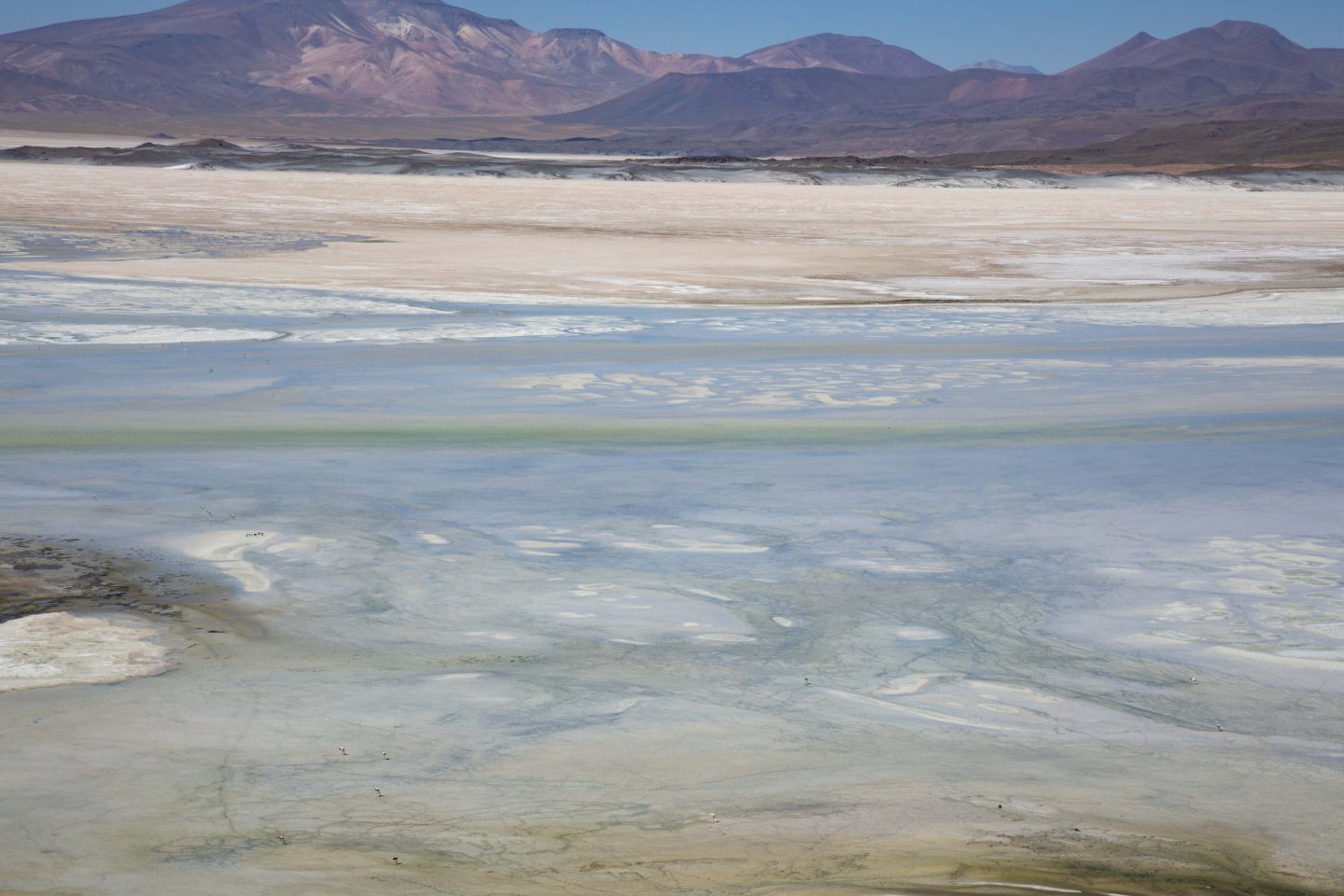
The Atacama Desert has the most unusual and stunning nature I’ve ever seen — read my full Atacama Desert travel guide for more info.
While you could explore the region on your own, what I found the easiest, especially as a solo traveler here, was to arrange day tours, especially since most of the destinations you’ll want to visit in this region are fairly spread out from each other and can take a couple hours to get to in some cases. So while I’ll give you suggestions for how to organize your Atacama itinerary based on altitude and distances, what you actually follow may vary based on your tour operator.
In some cases, the various sites around the Atacama have admission fees (which I’ll note), so if you go the tour route, just confirm if that’s already included in your ticket.
Where to stay in Atacama
San Pedro de Atacama is the best home base during your time in the Atacama Desert. Unfortunately the hostel I stayed at has since closed, but here’s where I’d book on a return visit:
Vicuña Lodge is one of the best-rated, moderately-priced options on Expedia. It looks super cozy, and has features like an included breakfast, an outdoor pool, a fitness center, and is around a 10-15 minute walk to the town’s main street. Check rates and availability here.
More options are below:
Day 1
Fly Santiago → Calama, then transfer to San Pedro de Atacama. You can book a shared shuttle right from the airport (which is what I did), but know that airport prices will be higher. What I wish I’d done instead was book transportation ahead of time.
🚗 This is a highly-rated transfer option that lets you skip the stress of dealing with transportation after a long flight.
The trip to San Pedro de Atacama takes around 1 hour and 30 minutes.
After getting to your accommodation, you’ll probably want to rest, since you’ll have early mornings ahead. So get settled in, and if you’re up for an activity, explore a bit of the town.
Day 2
The Hidden Lagoons of Baltinache

The Hidden Lagoons of Baltinache, while not so hidden nowadays, encompass seven saltwater lakes. If you haven’t experienced this before, it means you’ll float easily in this water, but keep in mind that you’ll only be able to swim in two of the lagoons, for conservation-related reasons.
🎟️ Entrance fee: CL$ 12 000
Salar de Atacama

Salar de Atacama is actually the largest salt deposit in Chile. It’s also home to lots of wildlife and other biodiversity, meaning you’ll probably spot flamingos, vicuñas and guanacos here. (Both are related to llamas and alpacas, in case you were wondering).
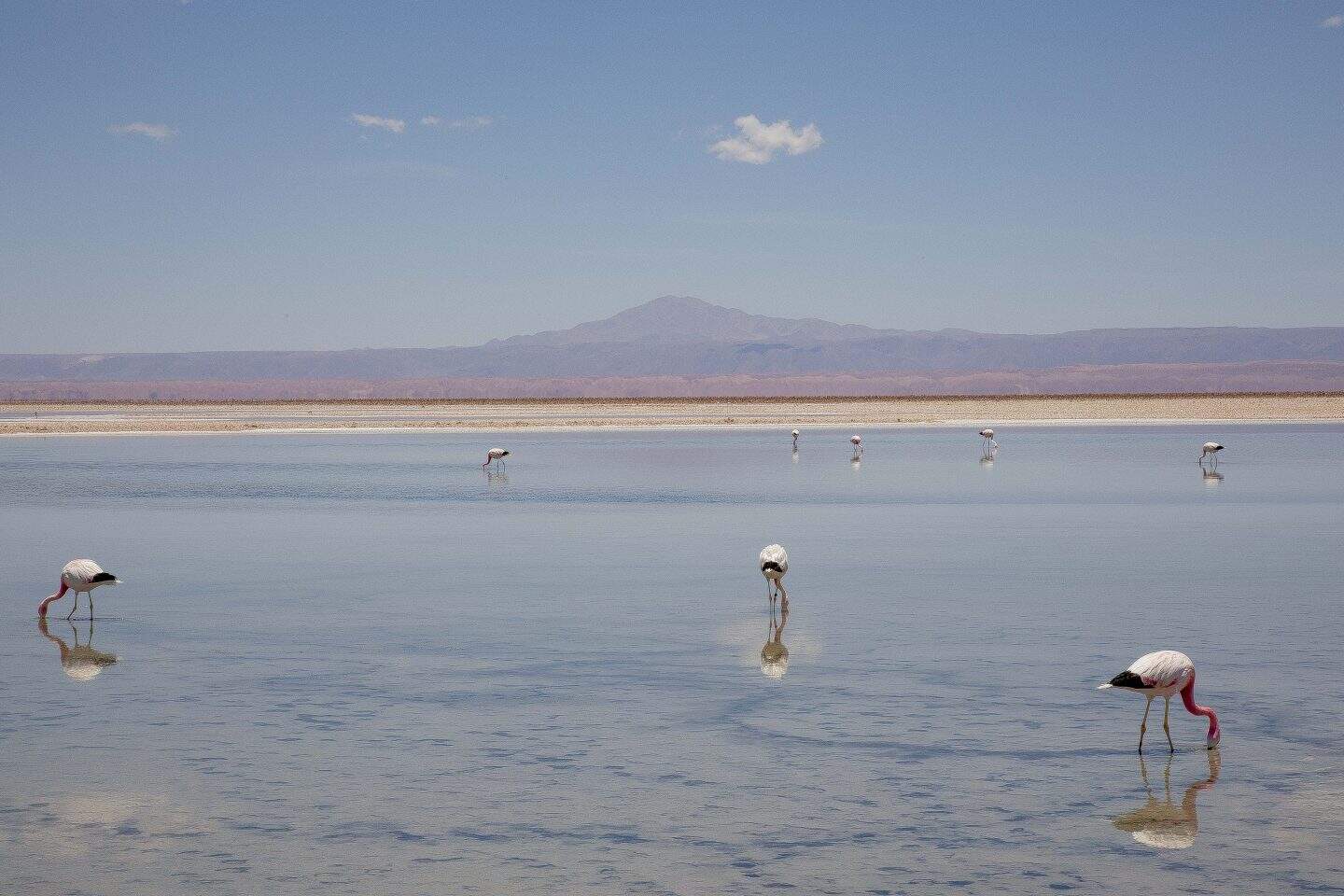
Laguna Chaxa, located within Salar de Atacama, is another gorgeous salt flat that was so fun to photograph. It’s also part of the Los Flamencos National Reserve, so you’ll more than likely see some flamingos here as well.
🎟️ Chaxa Entrance fee: CL$ 10 500
Tebinquinche Lake is also surrounded by salt flats, making for another really unique view of the desert.
🎟️ Entrance fee: CL$ 6 000
Valle de la Luna
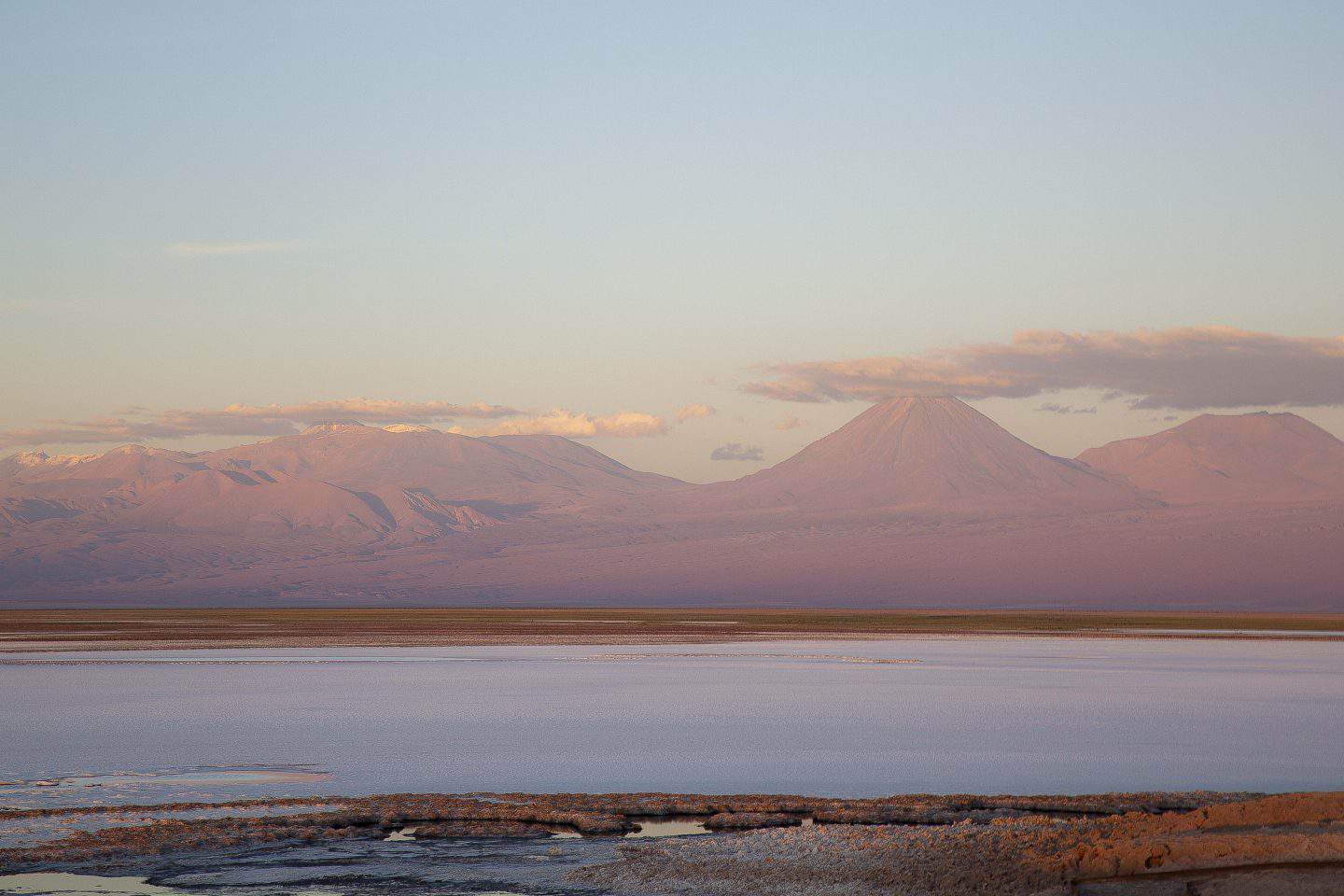
⛰️ This four-hour Valle de La Luna tour includes a number of viewpoints, hotel pick-up and drop-off, and a pisco sour cocktail at sunset.
Valle de la Luna is another awe-inspiring, must-see spot in Atacama.
An added bonus is this is located right next to the San Pedro de Atacama town, making it a great spot to wrap up your day before heading back for dinner. (The views are also extra stunning at sunset!)
Some even say that the soil in the Atacama Desert is most like the soil on Mars, and in the Valle de la Luna, or the Moon Valley, it really did feel like being on another planet.
🎟️ Entrance fee: CL$ 11 000; tickets can be purchased online here.
Day 3
Lagunas Altiplánicas
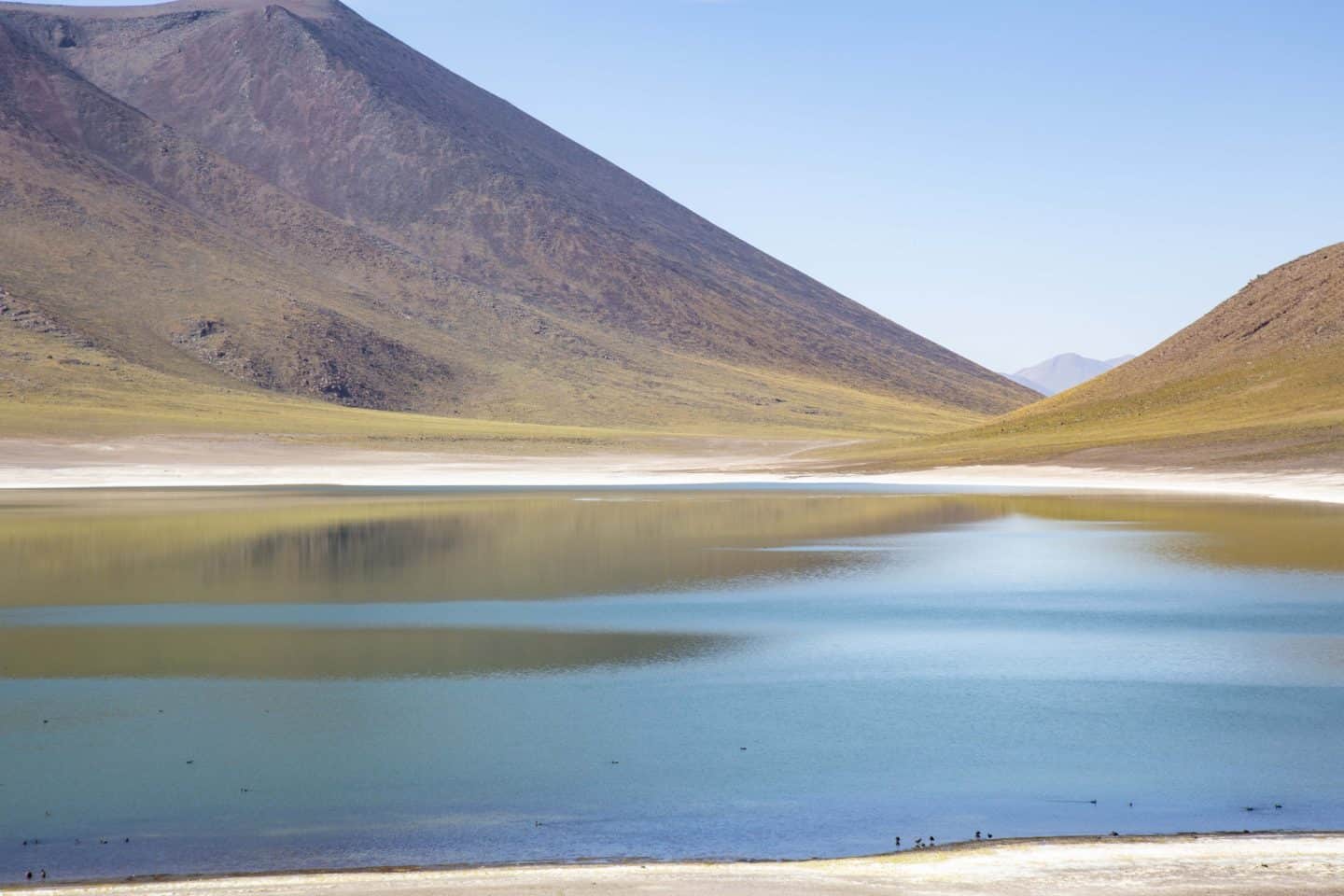
While I could never choose just one place as my favorite, visiting the Lagunas Altiplánicas (Lagunas Miñiques and Miscanti) is definitely an experience I’ll always treasure.
They’re both relatively close to each other (although about an hour to two hours from San Pedro de Atacama), and really made me stop in my tracks. They’re so beautiful, that they seem unreal.
🎟️ Entrance fee: CL$ 6 000 (tickets must be bought in advance)
Book in advance here (it’s required and costs $6,000 CLP or $6.25 USD).
Piedras Rojas

As the name suggests, Piedras Rojas is full of red rocks, making for yet another stunning and interesting landscape. The rocks contrast beautifully with the Aguas Calientes and Tuyajto lagoons.
🎟️ Entrance fee: CL$ 6 000
🦩 This top-rated tour option includes Piedras Rojas, the lagoons, and the small village of Socaire, with pickup from your hotel, and breakfast and lunch. Entrance fees aren’t included. Reviewers rave about the guide and driver!
Day 4
El Tatio Geysers

El Tatio Geysers are the third largest geyser field in the world and the largest in South America. They’re a couple hours from San Pedro, and the geysers are most active and visible first thing in the morning.
I’ll be the first to admit that I’m not a morning person, but this was more than worth the early wake-up call. Just remember to wear layers — it will be really cold in the morning (below freezing) especially at such high elevation. By the end of your time here, it may even be warm, so wear a T-shirt or something similar as your bottomnlayer.
There are also hot springs here to visit after checking out the geysers.
🌞 I went on this highly-rated El Tatio Geysers tour, which includes hotel transportation to the geysers at sunrise, your entrance fee, and breakfast.
🎟️ Entrance fee: CL$ 15 000
⭐ Note that children under 9 are not allowed inside the park.
⚠️ I actually started off my trip here, and I was totally fine, but because of the geysers’ high elevation, it’s typically recommended that you visit later in your Atacama itinerary, after you’ve had some time to acclimatize.
Machuca
Machuca is a really tiny Andean town with less than 50 residents. Stop here on your way back from the El Tatio Geysers, grab an empanada here and check out the little church and the interesting views.
What else to know about visiting the Atacama Desert
Since I was committed to early mornings my entire time here, I ended up skipping this, but stargazing is one of the most popular activities to do here.
This region is known for having almost no light pollution, meaning its skies are among the cleanest and clearest in the world.
Also keep in mind that San Pedro de Atacama is 8,000 feet above sea level, meaning this climate is super dry. (And by super dry, I mean driest on Earth, apart from the poles). Make sure to stay hydrated!
You’ll also want to keep cash with you. Since this area is really remote, not everywhere will take cards, and the local ATMS in San Pedro are known for not always having cash available.
Days 5-7: Santiago
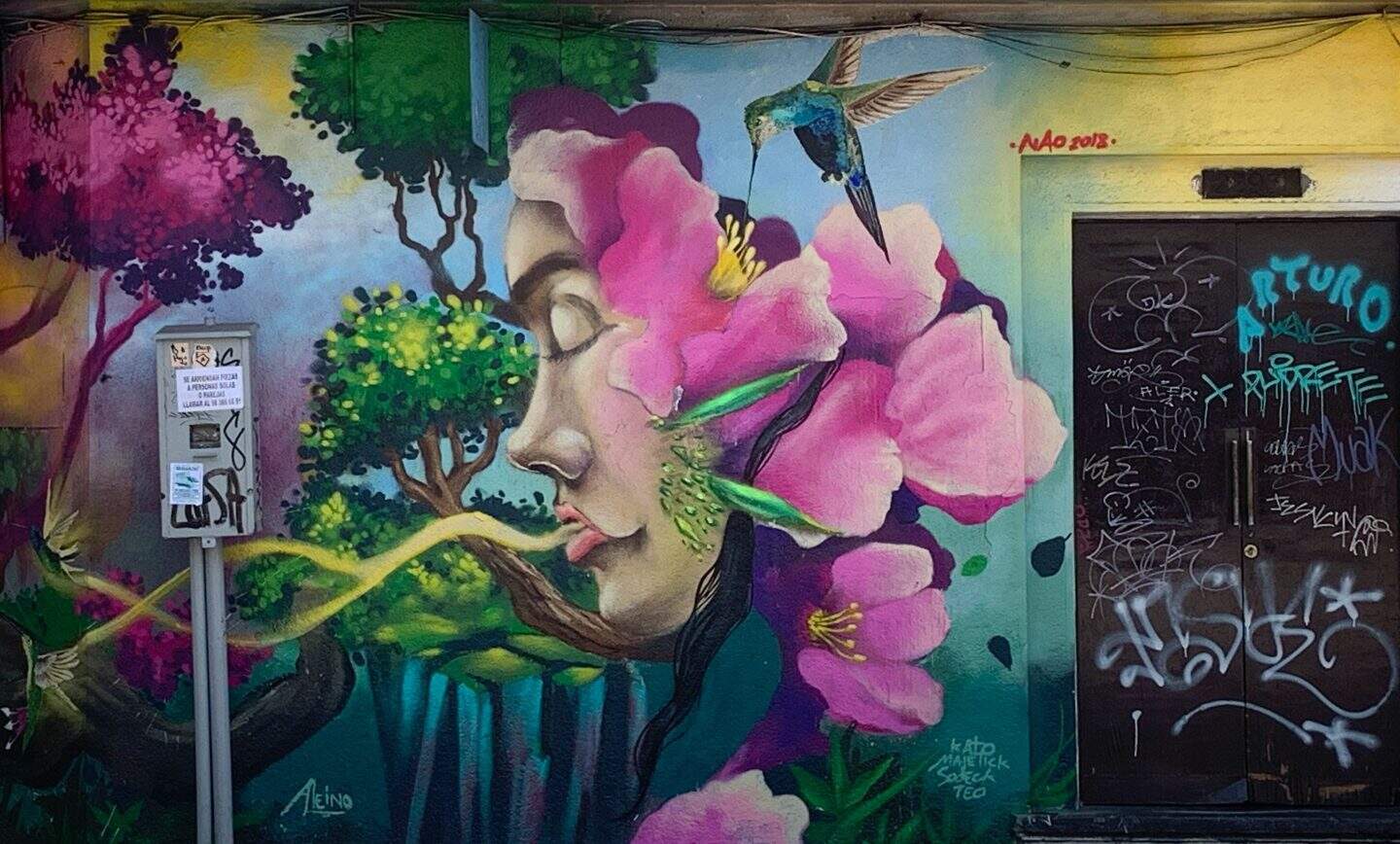
At the halfway mark of your 10 days in Chile, it’s time to head to Santiago.
Before visiting Santiago, I had heard mixed reviews.
But I, for one, loved my time there. I found it super easy to navigate — which is saying a lot considering I have a horrible sense of direction and also had not yet discovered the magic of SIM cards, meaning I was literally screenshotting directions before leaving my hostel WiFi, and praying I didn’t get lost. (Don’t be like me and please get a SIM card. I recommend checking out Saily — use TESS10 for 10% off!)
Where to stay in Santiago
Hotel Boutique Castillo Rojo is a gorgeous historic hotel located in the lively Bellavista neighborhood. Your stay includes breakfast, and past guests love the walkable location, the staff, and the comfortable rooms. Book your Santiago stay here.
Browse more Santiago hotel options here:
Day 5
Travel back to Calama from San Pedro de Atacama, and then take a two-hour flight to Santiago. There are typically flights available for less than $100 USD.
Walking tour
This one-day Santiago itinerary shares more detail about exploring the city, but with a bit more time, I highly recommend starting off with a free walking tour.
This will give you a good lay of the land. You’ll get to see some of the main cultural sights, while learning some important history and cultural background. Tours like this always give me ideas for places I want to return to and explore on my own.
Plus, you can get recommendations straight from a local. Just remember to tip your guide at the end! I went with GuruWalk, and it looks like they now offer a bunch of different tours throughout the day.
🗺️ If you’d rather a more in-depth tour, this 3-hour walking tour is rated a 4.7 with over 800 reviews on GetYourGuide. It includes a few different neighborhoods, and travelers repeatedly point out how engaging and informed the guides are.

Day 6
Cerro San Cristobal
If you’re looking for a hike and an amazing view of the city, you’ll want to visit Cerro San Cristobal.
This is a hill situated in the city center. If you’re not up for the hour-ish hike, you can also take a cable car or minibus. The views of the city are beautiful, and there’s a little cafe, as well as a garden and a church at the top.
🚃 This top-rated guided tour includes riding the cable car, plus time in the Bellavista neighborhood (otherwise, we’ll get to that area on Day 7!)
Plaza de Armas
Plaza de Armas is the main square in Santiago. This square is full of gorgeous architecture, like the Palacio de la Real Audiencia de Santiago, or the Royal Palace, which today houses the National History Museum, and the Metropolitan Cathedral of Santiago.
Centro Cultural Gabriela Mistral
Centro Cultural Gabriela Mistral (GAM) is a contemporary cultural center located in a historic building. It’s in the Lastarria neighborhood, which is also worth walking around and exploring.
Museo Nacional de Bellas Artes
The Chilean National Museum of Fine Arts, or Museo Nacional de Bellas Artes is a stunning art museum that’s been open since the 1800s. I love a good art museum, and this was one of the highlights of my time in Santiago. (An art piece I saw in here even inspired one of my tattoos.)
🎟️ Admission is free.


Day 7
The Museum of Memory and Human Rights
The first stop today is the most somber of the whole trip — but a necessary one to understand Chile’s history.
From 1973 to 1990, an authoritarian military dictatorship led by General Augusto Pinochet controlled the country. It began with a U.S.-backed coup which overthrew the democratically elected President Salvador Allende. Throughout the dictatorship, thousands of people were kidnapped, imprisoned, and killed or tortured by the government. The military rule finally ended when Chileans were able to vote to reject the dictatorship.
The Museum of Memory and Human Rights, or Museo de la Memoria y los Derechos Humanos, is a must-visit in Santiago. This free museum covers the human rights violations that occurred during this time period.
If you don’t know Spanish, try downloading Spanish on Google Translate beforehand. The camera app will help you translate as you go. There are also audio guides you can use that are only $5.
Chilean Museum of Precolombian Art
Museo Chileno de Arte Precolombino, or Chilean Museum of Precolombian art, is full of artifacts and art from throughout Latin America.
🎟️ Admission is $12,000 Chilean pesos.
Barrio Italia ad Barrio Bellavista neighborhoods
Barrio Italia and Barrio Bellavista are two colorful and artistic neighborhoods that are fun to explore. Both are full of options for eating, drinking and shopping.

What else to know about visiting Santiago
Santiago is a giant city that has also been dealing with some increased security risks lately, unfortunately. Refer to the State Department for more info about Chile travel. And for all my best safety tips, check out this guide.
Stick to using authorized taxis or Ubers while here. If you use the subway, you’ll need to get a prepaid “BIP” card at the subway station.
Days 8-9: Valparaiso
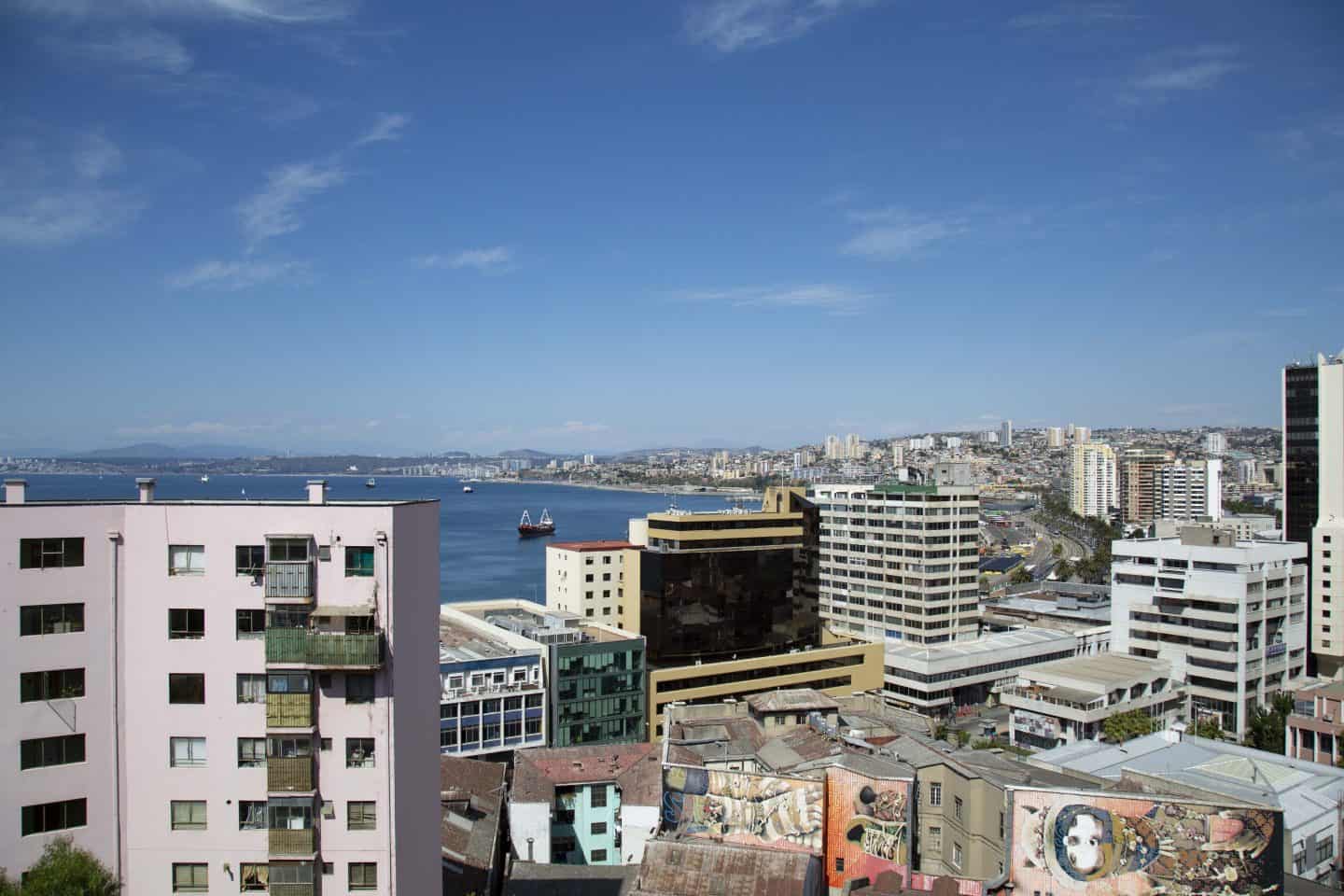
This colorful, street-art filled city is just 90 minutes from Santiago and more than worth a stop during your 10 days in Chile. Buses run a few times a day and are the easiest way to get to Valparaiso.
Although it’s a common day trip from Santiago, I highly recommend staying at least a couple of days so you get to see more and go at a slower pace. Find more best things to do in Valparaiso in this guide, plus more details for visiting.
Where to stay in Valparaiso
Casa Puente Hotel Boutique is such a gorgeous option for your time in Valparaiso. Your stay includes breakfast, and you can also enjoy a seasonal outdoor pool, a terrace, and lots of art, which is only fitting for your time here. Find out more here.
Browse more places to stay in Valparaiso here:
Day 8
Historic walking tour
After arriving in Valparaiso, start off once again with my favorite activity — a free walking tour.
The streets here are super windy and hilly, making them a little more difficult to navigate, so I think starting off with a guide is the best way to orient yourself and familiarize yourself with the city. Plus, they’re always a great way to meet other travelers.
I suggest going with the Tours 4 Tips group — they meet in Sotomayor Square, Valparaiso’s civic center, everyday at 10 a.m. and 3 p.m. Tours are offered in both English and Spanish. The guides are dressed in distinct red-and-white-striped shirts like “Where’s Waldo.”

Day 9
La Sebastiana
One of the most famous sites in Valparaiso is La Sebastiana, one of the former homes of acclaimed Chilean poet Pablo Neruda.
Not only is it a beautiful home with an amazing view, but it’s an interesting look into Neruda’s life. It has an interesting nautical influence, and you can see a lot of interesting curiosities and art that once belonged to Neruda. You’re given an audio guide as well, so you can learn about its history as you walk through the various rooms.
The home itself has been through a lot, from surviving an earthquake and tsunami in 1960, to being looted by the government in 1973, after the military coup. (Neruda was an outspoken supporter of the former president, Salvador Allende’s socialist government.)
🎟️ Admission is $11,000 CLP.
Cerro Alegre and Cerro Concepción Street Art
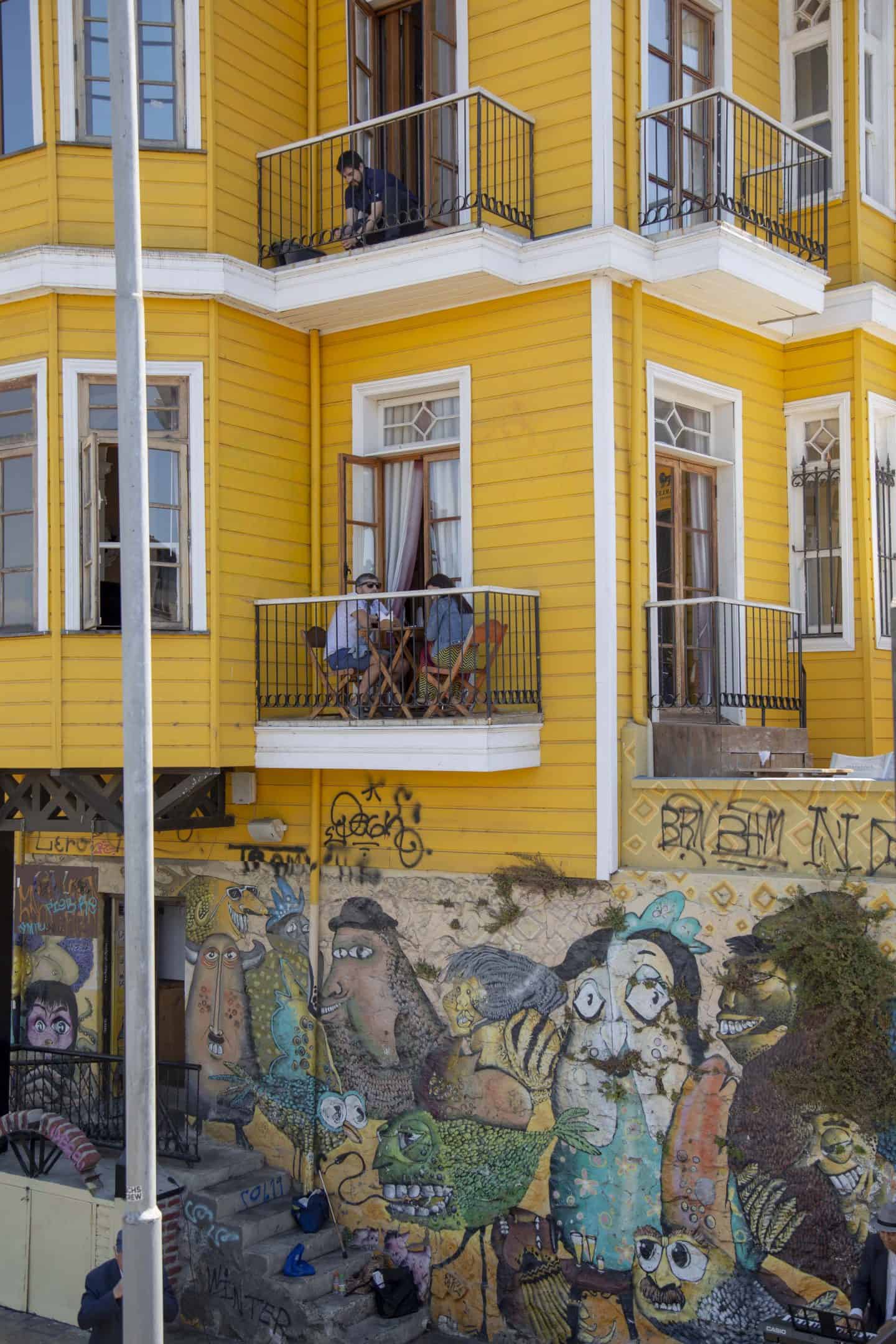
Checking out the extensive street art is the main thing to do here. Cerro Alegre and Cerro Concepción are two of the best areas to visit for this. Both are filled with art, restaurants, bars, shops, and amazing views of the water and multi-colored buildings.
I actually went on a second art tour with GuruWalk so I could learn more about what I was seeing.
Funiculars
One of the most unique features about Valparaiso (apart from its art) are its funiculars.
Not only are they historic and iconic part of experiencing Valparaiso, but they are also a huge relief when you get sick of walking up and down stairs. Just check out this website to see which ones are open — usually, at least a handful will be out of service or getting repairs.
Optional add-on if you have time: Viña del Mar
I didn’t get a chance to visit, but if you have the time, you can also check out Viña del Mar.
This is a nearby coastal city that’s only about a 10-minute drive from Valparaiso. This is probably the most popular beach city in Chile, and is known as the “garden city.” It looks beautiful, and I so wish I had time to do this!
Check out my full Valparaiso travel guide for more recommendations.

What else to know about visiting Valparaiso
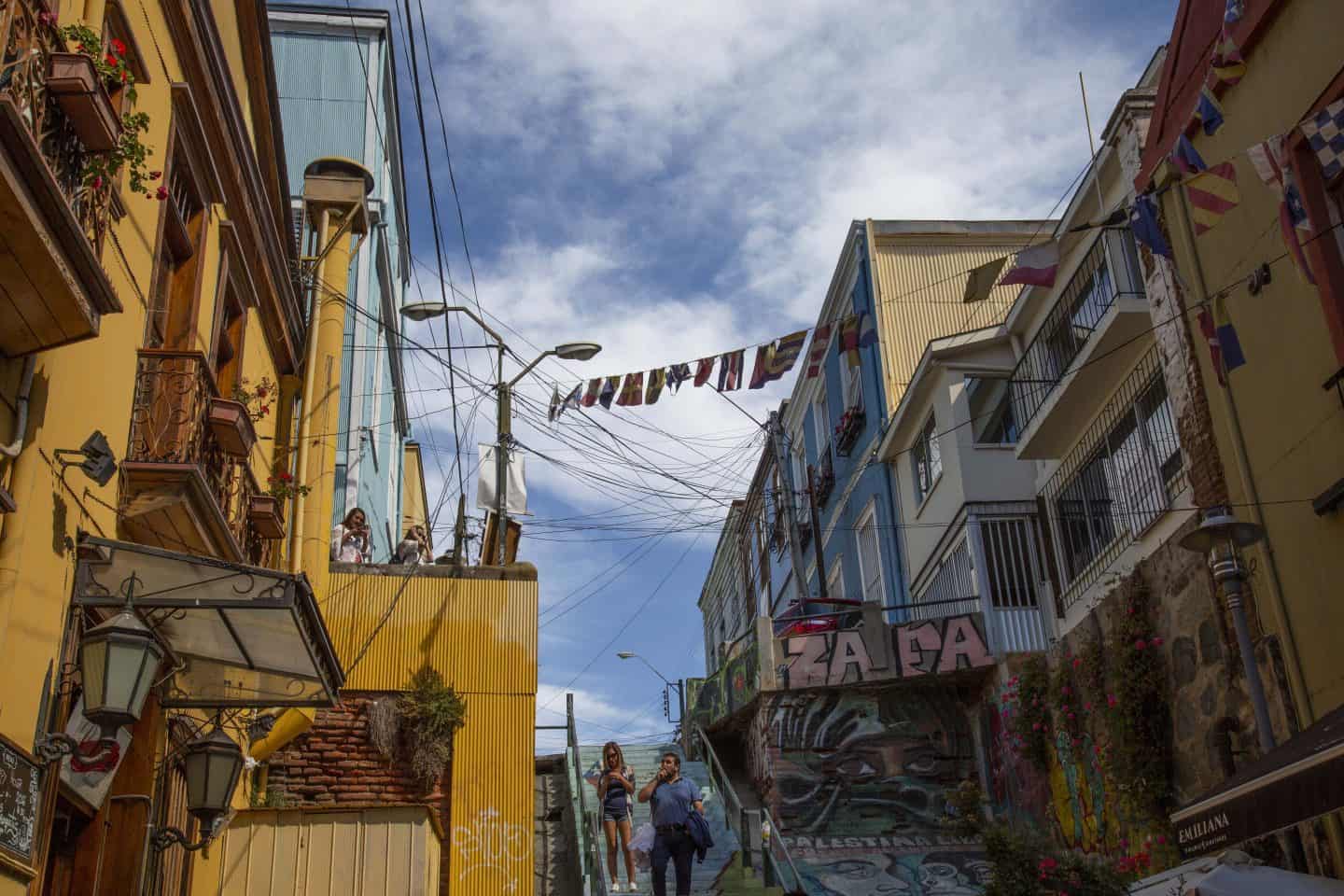
One important thing to note about Valparaiso is that you should be ready to walk! This city is full of hills, meaning lots of climbing steps and steep streets.
I have also heard that safety has gotten worse since the pandemic. Be careful with your electronics and try not to keep them visible. When I visited, (pre-pandemic) someone actually came up to me and told me I should put my camera away.
The city has kind of a grungy vibe, and you do definitely want to be careful especially at night, but it was so unique and artsy, that it was more than worth it for me. Just be sure to take precautions!
Day 10: Back to Santiago and head home
Sadly, we’ve reached the end of our 10 days in Chile. On the final day, travel back to Santiago, and then home or to your next destination.
This country is so amazing and has tons to offer, so if you can, add on some time at the end to explore Patagonia. Or, do what I did and hop over to Buenos Aires for a few days instead.
How to adjust this itinerary
If you only have a week: Spend three days in Atacama, two in Santiago, and a night or a day trip in Valparaíso. You’ll skip the slower days, and I’d still keep the early start at El Tatio.
If you have two weeks: I’d add time for Patagonia. I haven’t been, but Torres del Paine is the highlight for hikers and is a flight south from Santiago, so plan at least four or five days. Another option is the wine country near Valparaíso, which I cover in my Valparaíso guide.
If you’d rather skip a stop: Atacama and Valparaíso gave me the strongest sense of place. If you’ve been to a lot of big cities, you could trim Santiago to one day.
FAQs about visiting Chile
Is 10 days enough for Chile?
It’s enough for a good taste, though you won’t get everywhere. Chile is a very long country, so you have to be selective. This route hits the desert, the capital, and the coast, and you can add Patagonia if you have more time.
What’s the best time to visit Chile?
Summer runs from December to February, and winter from June to August, but it depends on the region. I visited in January and layers worked well, since the Atacama gets very cold in the mornings and at night even in summer.
Do I need a car?
No. In Atacama, I booked day tours, so I didn’t have to worry about transportation, and I took buses, the metro, and walked when in Santiago and Valparaiso. Rental cars aren’t typically recommended by other travelers in Atacama because of the rough roads and spotty cell service, and I think driving (and parking) would also be a challenge in the cities.
Is Chile safe?
I felt comfortable, but Santiago and Valparaíso have had increased petty crime. The U.S. State Department lists Chile at Level 2 as of Nov. 2026. Stay in the tourist areas, use Uber or authorized taxis at night, keep valuables out of sight, and see my travel safety tips for solo travelers and my Valparaíso safety section.
What’s the currency in Chile?
The Chilean peso. At the time of writing, $1 USD comes out to 938 CLP. As an American traveler, I found that Chile wasn’t quite as affordable as other destinations in South America like Argentina or Brazil, but with that said, you can definitely make this destination work if you’re traveling on a budget.
Do I need a visa to visit Chile?
U.S. tourists don’t need a visa before entering Chile, but upon entry, you’ll receive a tourist card that’s valid for 90 days.
Be warned, this does not look like any sort of official documentation that you should hold on to. One of my biggest travel mistakes ever is that I accidentally threw mine out.
Luckily, I realized my mistake while in Santiago, so I was able to replace it easily.
You’ll need to surrender the card once you leave Chile, so don’t be like me, and take better care of yours! (But if this does happen to you, you can get it replaced at the International Police Office or at the airport.)
What to Eat in Chile
Empanadas are delicious in any country, and Chilean empanadas are no exception. They’re also larger than ones I’ve had elsewhere, and typically filled with a wider variety of toppings, rather than just meat and cheese.
Pastel de Choclo (Chilean corn pie) is a beef and corn casserole that’s really comforting and satisfying.
Chorrillana is an iconic dish made up of fries, chorizo, steak, onions, and eggs.
As a coastal country, it’s no surprise that seafood is popular and abundant, especially in places like Valparaiso.
Merluza and reinata are the two most popular kinds of fish that’s often served fried, baked, or grilled. Pastel de jaiba, a crab casserole, is also one of Chile’s most famous dishes.
Planning your Chile trip
Before you head to Chile, I would consider purchasing travel insurance.
I always use World Nomads, which offers coverage for more than 150 activities as well as emergency medical, lost luggage, trip cancellation and more. Get more information here.
I’ve used them for seven years, and have filed two claims with them — I share a full review in this guide.
Don’t skip an eSim either. I recommend Saily — find my full Saily review (with a discount code for you to use!)
Head to one of these guides next
- 10 Days in Chile Itinerary: Atacama, Santiago & Valparaiso
- The Ultimate Atacama Desert, Chile Travel Guide
- How to Spend 1 Day in Santiago, Chile
- 14 Best Things to do in Valparaiso, Chile
- Honest Saily eSIM Review (2026): My Experience in Brazil
- World Nomads Travel Insurance Review (After 7 Years + 2 Claims)

This looks amazing! I’m getting more and more convinced that I need to visit South America!
I’m sure you would love it!!
I’ve always wanted to visit this part of the world and this definitely makes me think I should go sooner rather than later. Thanks for the helpful tip about tourist cards – I’ll be sure not to throw mine out!
I hope you get to soon! thanks for reading 🙂
I love visiting South America! My family is from Chile, but I haven’t been to the Atacama yet. I would love to spend some time here (and in Patagonia as well). The photos you took in Atacama are UNREAL! Thanks for such a helpful guide!
ahh that’s awesome! I love Chile and South America so much. I hope you get to visit soon, and thank you!!!
Chile is on my bucket list! This is a great guide for whenever I finally make it.
thanks for reading, Sara! Chile is such an amazing place
thank you for sharing your immersive journey through the Atacama. It’s been on my list for years!
Atacama is definitely one of the most amazing places I’ve been to. Hope you make it there soon!
The Atacama is such a beautiful place! I would love to visit one day.
I hope you get to! Thanks for reading 🙂
Very useful info Tess! Chile is my mom’s dream place. But from where I live (India), it costs about 7200USD for two way flight to Chile! One day I am going to make it and your guide will be used in and out 🙂
oh wow, that is a really crazy price! I hope you have an amazing time once you do <3