15 Best Things to Do in São Paulo, Brazil
Disclosure: Tess the Traveler contains affiliate links and is a member of the Amazon Associates Program, meaning that if you make a purchase using one of these links, I may earn a commission. I only recommend products and companies I trust. See the Privacy Policy for more information. Thanks for your support!
São Paulo doesn’t always get the same love as other places in Brazil, but if you ask me, it’s more than worth a visit. The best things to do in São Paulo include street art in Beco do Batman, world-class museums like MASP and the Pinacoteca, and Japanese, Italian, and Korean neighborhoods, all in one city. (And plenty of it is free!)
I spent three or so days here during my three-week solo trip through Brazil, the first of several visits to the country, and I can’t wait to go back.
As the most populated city in the Americas, São Paulo can feel overwhelming. This guide breaks down the 15 spots I’d prioritize, with admission prices, free days, and tips for fitting them together.
Short on time? My 2-day São Paulo itinerary packs the top sights into just a couple of days.

Numbers match the sections below.
1. Beco do Batman
One of my favorite things to do when I travel is to check out street art, and Sao Paulo has one of the coolest examples of street art that I’ve ever seen (Valparaiso, Chile is still my #1 street art city, though).
If you only have time to do one thing, let it be this! São Paulo is such an art-filled city, and that’s not just reflected through its many museums.
Beco do Batman, or Batman Alley, is a really interesting area that’s literally covered in various murals and art.
I went on a free walking tour, which was a cool way to learn more about some of the artists and the significance of some of the pieces, but you could totally just go on your own as well.
It’s located in the Vila Madalena neighborhood, which you’ll also want to spend some time exploring. Although the art is most concentrated in Beco do Batman, there’s lots of street art and colorful buildings throughout the neighborhood.
It’s also a popular neighborhood for tourists, and it’s where I stayed! I would definitely recommend it. It’s walkable, beautiful, and of course, very artsy.
🎨 Beco do Batman: Where: Vila Madalena | Cost: Free | Time: ~1 hour | Metro: Vila Madalena (Line 2-Green), then a 10-15 slightly uphill walk


2. Avenida Paulista
This is the other most well-known area in São Paulo, so be sure to also make it here once during your trip.
São Paulo is a massive city, and Avenida Paulista feels like the epicenter of that, with massive buildings, lots of shopping, eateries, museums, theaters, and more.
The avenue is considered a symbol of the city’s economic power, and has earned itself some comparisons to New York’s Fifth Avenue (people, myself included, love comparing São Paulo to New York, apparently, but I really need to break that habit).
The road, however, is much wider than any you’d see in New York City, which makes it especially cool to visit on Sundays, when it closes to cars and becomes pedestrian-only. My trip to São Paulo didn’t overlap with a weekend, unfortunately, so I didn’t get to see it in its full glory.
But regardless of when your trip to São Paulo is, it’s well worth a stop!
🏙️ Avenida Paulista: Where: Central São Paulo | Cost: Free (car-free Sundays) | Time: 2-3 hours | Metro: Trianon-Masp (Line 2-Green)


🗺️ Looking for a way to see a bunch of São Paulo’s best sites as easily as possible? This 7-hour group tour covers a ton of ground, including stops in Downtown, Municipal Market, Paulista Avenue, Jardins, Ibirapuera Park, and Batman Alley. Plus, you’ll get a ton of extra insight about the city’s history and culture, all from a local! Check it out here.
3. Ibirapuera Park
São Paulo doesn’t have the same amazing nature that you’ll find in other Brazilian cities like Rio, but I will give it this — it does have some really nice parks.
Ibirapuera Park is its most well-known. I know I said I’d stop the NYC comparisons, but this park does have some parallels to Central Park.
Located in the neighborhood Vila Mariana, it’s a popular spot for picnicking, fitness, just walking around, and enjoying some of the city’s best cultural sites.
There’s a ton more to see that I didn’t make it to, as well. The park has a skatepark, as well as the Museu Afro Brasil, which has 6,000 works focusing on Afro-Brazilian culture, history, and influence on Brazil, as well as some work from artists from African countries, Cuba, Haiti, and the U.S.
This one is definitely a must for me next time I’m in São Paulo.
But that’s not all — you’ll also find the Museu da Aeronáutica (Air Force Museum) and the Museu do Folclore (Folklore Museum) too, and a Japanese-style garden.
🌴 Ibirapuera Park: Where: Vila Mariana | Cost: Free (museums charge separately) | Hours: 5 am to midnight Monday through Friday, 24/7 on weekends | Metro: Paraíso is the nearest, about a 30-minute walk, so Uber is easier
🎨 My Quick São Paulo Planning Tips 🍜
✈️ How I find the best flight deals to São Paulo
☀️ Stay at this top-rated São Paulo hotel (comfy, spacious rooms, a rooftop pool, breakfast, and perfect location!)
🧳 At the top of my packing list: A secure bag, a lightweight rain jacket, and a portable charger
🌞 Short on time? See São Paulo’s top sites on this tour.
🌎 My go-to travel insurance for Brazil
📱 My favorite eSIM (I had service even at Brazil’s most remote beaches — use code TESS5 for 5% off!)


4. Museu de Arte de São Paulo
As I think I mentioned before, São Paulo has a ton of museums. Assuming you’re not spending forever here, you’ll probably want to narrow down the city’s best — and Museu de Arte de São Paulo, a.k.a. São Paulo Museum of Art, a.k.a. MASP, definitely deserves a top spot on your list.
It’s located on Avenida Paulista, and is a must if you’re a fan of art museums.
It was actually the country’s first modern art museum, and is considered to have the best collection of European art in the Southern Hemisphere, but its massive collection also includes lots of work from Africa, Asia, and the Americas, of course including Brazil.
🖌️ MASP: Where: Avenida Paulista | Cost: R$85 (R$42 with a student ID, free Tuesdays and Fridays 6-9 pm) | Time: about 2 hours | Closed: Mondays | Metro: Trianon-Masp
5. Liberdade
São Paulo is known for having the largest Japanese population outside of Japan, so it’s only fitting that they have a Little Tokyo neighborhood.
In recent years, it’s veered away from just being a neighborhood focused on Japanese culture, but regardless, Rua Galvão Bueno is the main street you’ll want to check out.
Essentially, there are just a few blocks that make up the more touristy part of this neighborhood.
On weekends, you can find an open-air market, where you can find everything from antique goods, to books, food, and art.
You’ll of course find plenty of Japanese food here too throughout the neighborhood, as well as some Chinese and Korean food. Lamen Aska is one of the oldest ramen spots in the city. It’s very popular and no reservations are accepted, so it’s best to show up during an off time or expect to wait a bit. Chi Fu is an affordable and delicious Chinese food option also in the area.
A street food tour would be such a fun way to explore, try a lot of foods, and learn more about the history and culture of one of São Paulo’s best neighborhoods. This two-hour food and history tour has super high ratings, with past travelers praising the guide, the overall experience, and of course, the food!
If you want to explore more, there’s also a Japanese Immigration Museum, a small garden, and Osaka City Viaduct, where you can get a viewpoint of the city. Busshinji Temple, a Buddhist temple, is also interesting to see. Although it’s not open to the public, they tend to host free and low-cost events that are open to anyone.
🍱 Liberdade: Where: Rua Galvão Bueno | Cost: Free | Time: 1-2 hours | Best on: weekends (open-air market) | Metro: Liberdade (Line 1-Blue)

6. Pinacoteca do Estado de São Paulo
This is another amazing museum that I think is a must for fans of art. It’s actually one of the country’s oldest art museums, and is known as one of the city’s best.
It features Brazilian art from the 19th century to today, and exhibitions are spread out in three different buildings: Pina Luz, Pina Estação, and Pina Contemporânea. You’ll want to give yourself a couple hours or so here too!
The museum is closed on Tuesdays, and admission is R$30 for all three buildings ($5.22 USD at the time of writing), or free on Saturdays, as well as the second Sunday of the month. Tickets can be purchased either at the door or online.
Keep in mind that it’s located in the Centro Histórico neighborhood, which isn’t considered the safest, so I would suggest not trying to walk around alone. But if you Uber right to Pinacoteca and then just Uber to your next destination, you’ll be fine.
If you do want to explore some of Centro Histórico (there’s lots of great architecture, cultural sites, and of course, history!) then I’d highly suggest going on a group tour with a local guide.
This history walking tour tour runs for around two hours and is recommended by 99% of travelers — you’ll see a few of the top sites in the area, various cultural areas, and learn directly from a guide who past travelers rave about.
🖼️ Pinacoteca: Where: Centro Histórico | Cost: R$42.50 for all three buildings (free Saturdays and the second Sunday) | Time: about 2 hours | Closed: Tuesdays | Metro: Luz
7. Museu de Arte Contemporanea
This seven-floor contemporary art museum features both international and Brazilian art. It’s known for having among the best collections of Brazilian modern art, as well as for being one of the country’s largest art museums.
You can find everything from sculptures, to photography, to paintings, and more, and it’s located on the campus of the University of São Paulo, in Ibirapuera Park.
It’s also free to visit, which is perfect if you’re traveling in Brazil on a budget.
The rooftop restaurant, Vista, is also particularly beloved for its amazing view.
📷 Museu de Arte Contemporânea (MAC USP): Where: USP campus, Ibirapuera Park | Cost: Free | Time: 1-2 hours | Hours: Tuesday to Sunday from 10 am to 9 pm, closed Mondays
8. Instituto Tomie Ohtake
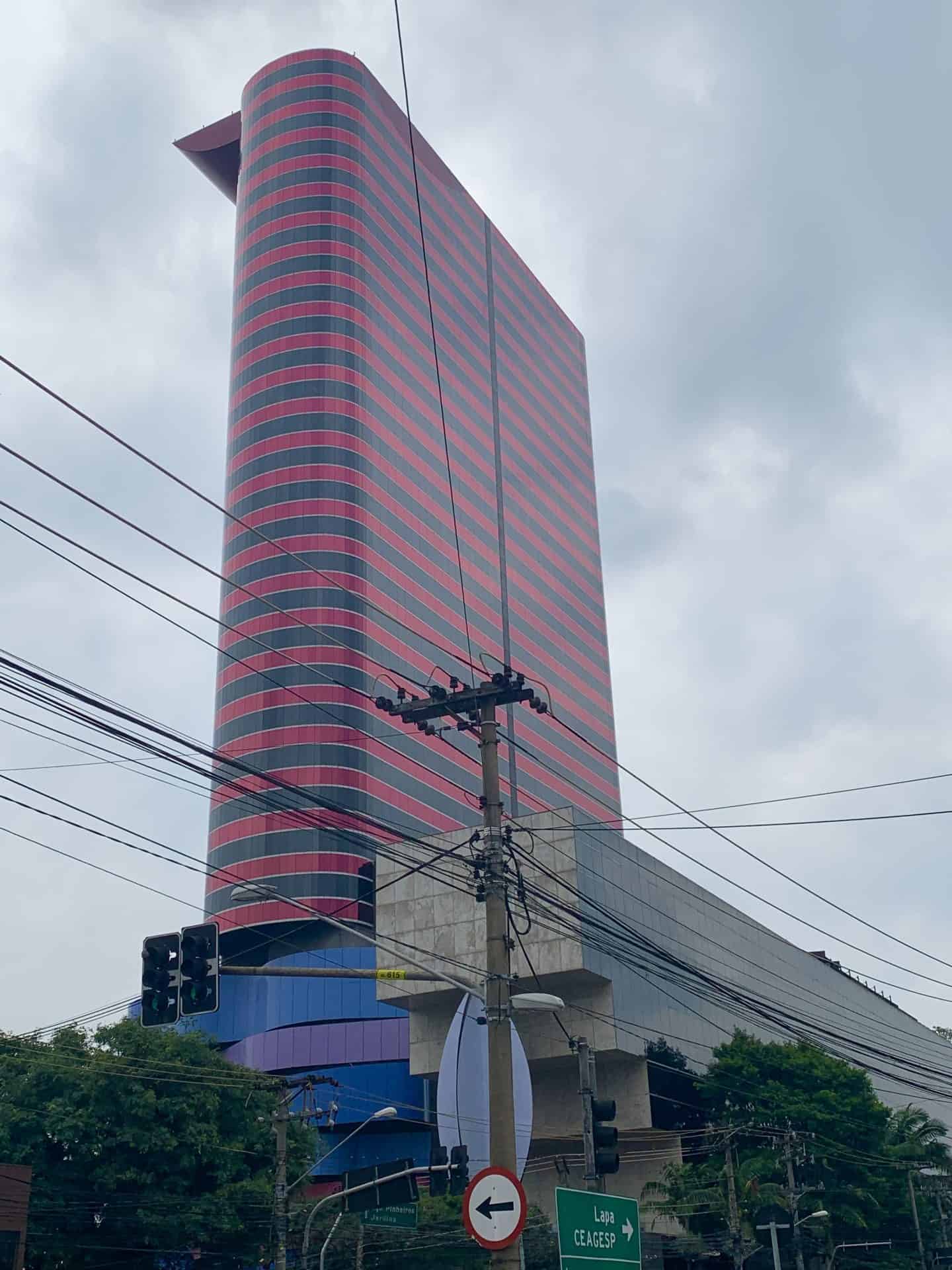
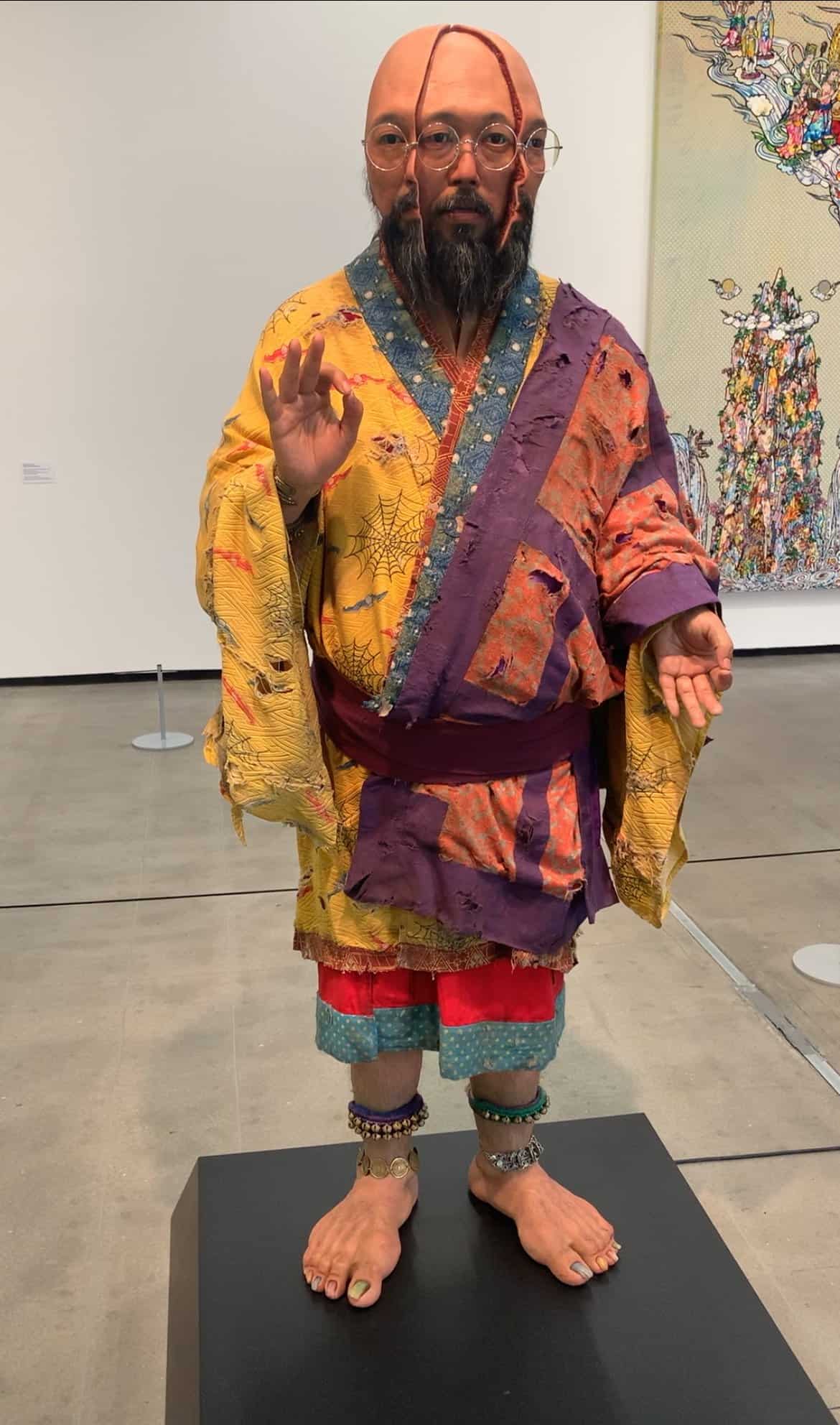
This museum wasn’t initially on my radar, but it was recommended to me by an employee at my hostel, and it ended up being one of my favorite places I visited.
Located in the trendy Pinheiros neighborhood, this cultural institution was founded in 2001 by contemporary architect Ruy Ohtake, to showcase the work of Japanese Brazilian visual artist Tomie Ohtake, as well as other local and international exhibitions.
The institute is all about the intersection of art with design, architecture, and culture, and it was honestly much cooler than I can explain. The building itself was also really cool, with a really unique, colorful design.
🎨 Instituto Tomie Ohtake: Where: Pinheiros | Cost: Free | Time: 1.5 hours | Hours: Tuesdays-Sundays, 11 am to 7pm, closed Mondays | Metro: Pinheiros (Line 4-Yellow)
9. Mercado Municipal
Officially called Mercado Municipal Paulistano, but you may also hear it referred to as Cantareira or Mercadão, this market is typically considered a must-do while in São Paulo.
Mercado Municipal has been around since the early 1930s, and is a great place for trying anything from ice cream to fruit to mortadella sandwiches from Mortadela Brasil, which are beloved by Paulistanos (people from the city of São Paulo).
With all my museum-hopping I sadly missed this one, but I definitely have to make it here at some point to try one of those sandwiches.
The market is open until 6 p.m. Mondays through Saturdays and until 4 p.m. on Sundays.
☕ Mercado Municipal: Where: Centro | Cost: Free to enter (food extra) | Hours: until 6 pm Monday-Saturday, 4 pm Sunday | Metro: Luz, about a 10-minute walk

10. Museu da Imagem e do Som (Museum of Image and Sound)
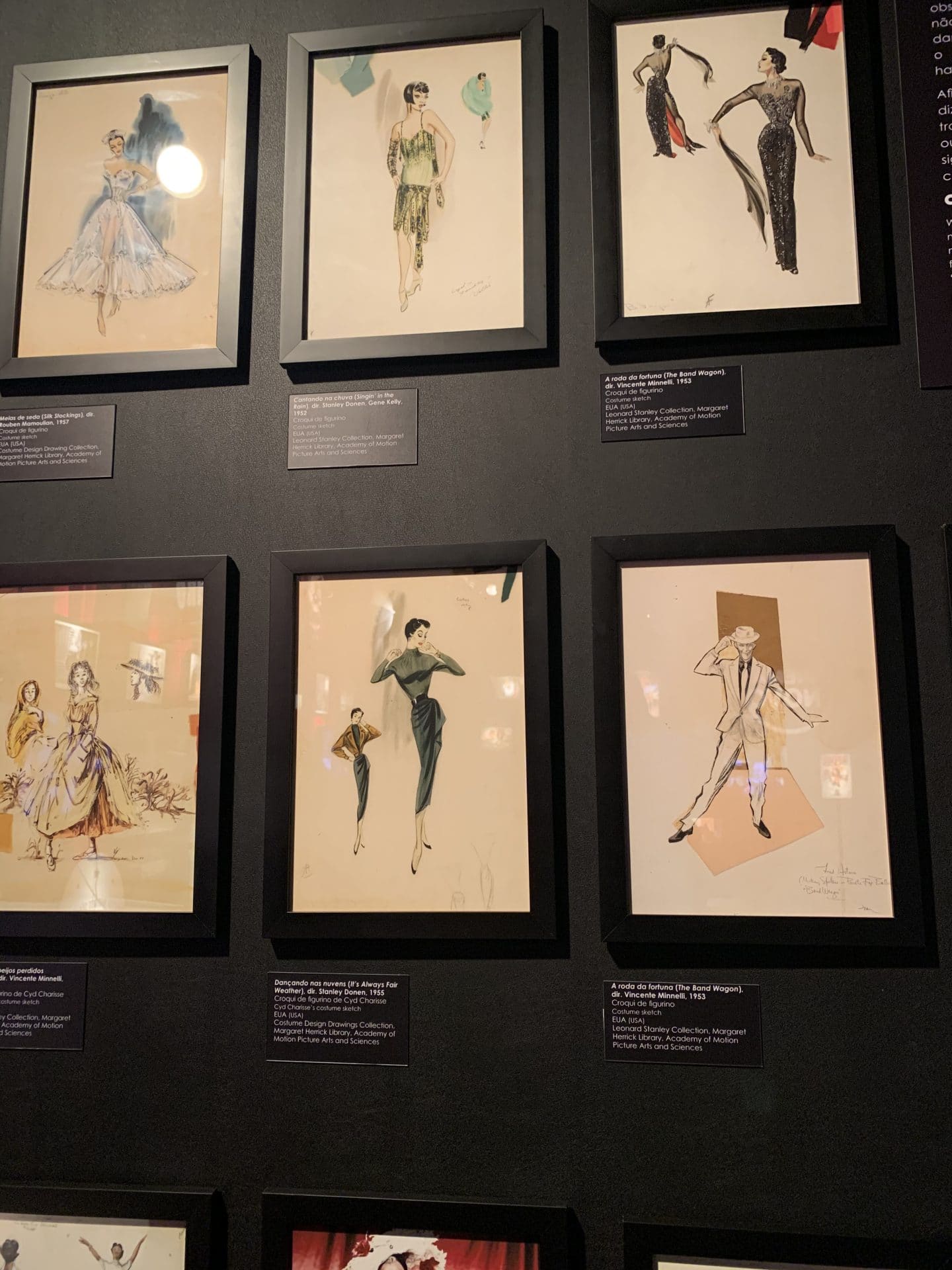
At risk of sounding like a broken record, this is another museum that I loved! (As I’m writing this, I’m feeling kind of impressed that I managed to make it to so many museums in just a couple days.)
But in all seriousness, if you’re looking for a museum that steers away from your typical paintings, this is it.
Their collection includes 200,000 items with everything from photographs, films, videos, posters, graphic pieces, image and sound equipment and sound recordings, books, and so on.
They always have really unique exhibits — from Leonardo da Vinci, to horror movie posters, to radio in Brazil, etc. When I went, there was a really cool exhibit about musicals, which was right up my alley.
The Museum of Image and Sound is closed on Mondays.
🎥 Museu da Imagem e do Som: Where: Jardins Europa | Cost: Depends on the exhibit, usually around R$60 | Time: 1.5 hours | Hours: Tuesdays-Fridays 10am to 7 pm, Saturdays 10am to 8pm, Sundays 10 am to 6pm, closed Mondays.


11. SESC Avenida Paulista
This cultural center on Avenida Paulista is a must for getting one of the best views in the city. It’s free to head to the 17th floor, where you can get a panoramic look at São Paulo from above.
There are also other exhibits you can check out while here, plus art workshops, dining options, a library, performance space, and fitness classes.
I visited as part of a walking tour, so I didn’t have to do this, but allegedly you do have to make a reservation ahead of time to go to the observation deck, which can be done through the Credencial SESC SP app.
Tickets for each week become available each Tuesday at 10 am — otherwise, you can try to snag a day-of ticket, which becomes available at 10 am, 2 pm and 6 pm on weekdays and at 10 and 2 pm on weekends and holidays.
🌆 SESC Avenida Paulista: Where: Avenida Paulista, 17th floor | Cost: Free (reservation required via the Credencial SESC SP app) | Closed: Mondays | Metro: Line 2-Green, stations Consolação, Trianon-Masp, Brigadeiro, Paraíso and Ana Rosa are all on Avenida Pauloista
12. Japan House
This free cultural center on Avenida Paulista is well worth a stop during your trip to São Paulo. It’s one of three Japan Houses created by the Japanese government, with the other two located in London and Los Angeles.
Meant to showcase different elements of Japanese culture to the international community, it has an interesting exhibition space as well as an onsite restaurant and shop.
It’s fairly small though, so I just spent an hour or so here. I remember especially liking the Japanese library, but I can also never resist a bookstore/library.
But it’s free to visit, and considering how São Paulo has a significant Japanese population, it’s a great place to learn a bit about that influence and culture.
Japan House is open Tuesdays through Sundays.
Japan House: Where: Avenida Paulista | Cost: Free | Time: about 1 hour | Closed: Mondays (open Tuesday-Sunday)


13. Bela Vista
São Paulo is a city heavily influenced by its immigrant communities, and Bela Vista is the city’s Italian district.
Bordering Avenida Paulista, Bela Vista is a beautiful bohemian-style neighborhood that’s a must if you’re craving some good Italian food (just expect that it will be Italian with a Brazilian twist).
Bráz Trattoria Paulista and Trattoria Famiglia Mancini are two popular restaurant choices in this neighborhood. The latter is located in Rua Avanhandava, a really beautiful street that definitely will feel reminiscent of Italy, with its tiled fountains and cute shops.
Bixiga is the neighborhood’s center, and is colorful, walkable, and filled with street art and family-owned Italian restaurants.
🍝 Bela Vista (Bixiga): Where: Borders Avenida Paulista | Cost: Free to wander (restaurants extra) | Time: 1 hour
14. Farol Santander
Sometimes referred to as the “Empire State Building” of São Paulo, this skyscraper opened in the 1940s and is known as one of the best places to get a view of the city.
Apart from its view, it also has an interesting cultural center, with a number of exhibits.
I personally didn’t make it to this one and just went to SESC Avenida Paulista to get a city view, but this one seems really cool and possibly even better known. There’s also a skate park, plus a couple bars and a cafe.
Although the building itself is free, the watch tower, various exhibitions, and skate park are ticketed.
Also keep in mind that this is another place you’ll definitely want to Uber right to, then have your Uber pick you up when you’re ready to leave.
🛹 Farol Santander: Where: Centro | Cost: R$45 | Hours: Tuesday to Sunday from 9 am to 8 pm, with last tickets sold at 7 pm, closed Mondays
15. Bom Retiro
Bom Retiro is another interesting neighborhood worth visiting if you have the time! It’s São Paulo’s Koreatown, and here you can find lots of Korean restaurants, cafes, and bars. New Shin-La Kwan is a beloved mid-priced restaurant that serves Korean barbecue.
On Saturdays, there’s also the Feira do Bom Retiro street market, where you can find street vendors selling lots of food and artisan goods.
Keep in mind that this neighborhood is relatively safe, however, it is bordering some neighborhoods that are considered to be less safe. So with that said, it’s probably better to visit Bom Retiro during the day and to Uber back and forth.
🇰🇷 Bom Retiro: Cost: Free (plus costs for food/street market) | Best: during the day, Saturdays for the Feira do Bom Retiro | Getting around: Uber

More Things to Do in São Paulo
I only had a few days, so these didn’t make my list. Here’s what I’d add next time, based on research and other travelers’ recommendations:
- Catedral da Sé: A neo-Gothic cathedral in the historic center, free to enter. The surrounding area can feel rough, so stay close to the cathedral and keep your belongings secure.
- Theatro Municipal: One of the city’s most beautiful buildings. You can book a free tour online in advance, or catch a show.
- Museu do Futebol: Interactive exhibits on World Cup history and Brazilian football stars, inside the Pacaembu stadium.
- A football match: São Paulo hosts Palmeiras, Corinthians, and São Paulo FC, and travelers describe the atmosphere as unforgettable.
- Edifício Itália (Terraço Itália): A rooftop restaurant and bar with panoramic views. There’s a dress code (no shorts, tank tops, or flip-flops).
- Sampa Sky: A glass-floored observation deck on the 42nd floor of a downtown skyscraper. It runs about R$84 to R$112 and is best booked in advance.
- Parque Trianon: A small rainforest-style park across from MASP, good for a 20 to 30 minute break from Paulista.
- Jardins and Rua Oscar Freire: An upscale, tree-lined shopping street that feels calmer than downtown.


What to Eat in São Paulo
Waves of Japanese, Italian, Korean, and other immigration have made São Paulo one of Brazil’s best food cities. Here’s where I’d start.
Restaurant picks by neighborhood
- Liberdade: Lamen Aska is one of the city’s oldest ramen spots. It’s very popular and takes no reservations, so go at an off-peak time or expect a wait. Chi Fu is an affordable, tasty Chinese option.
- Bela Vista: Bráz Trattoria Paulista and Trattoria Famiglia Mancini are popular for Italian food with a Brazilian twist. Famiglia Mancini sits on Rua Avanhandava, a pretty street with tiled fountains.
- Bom Retiro: New Shin-La Kwan is a beloved mid-priced Korean barbecue spot.
- With a view: The Vista restaurant on the rooftop of MAC USP is especially loved for its panorama.
Dishes to try in São Paulo:
- Mortadella sandwich: Mercado Municipal’s signature order, piled high with meat. Note that this market is super popular, so prices are a bit inflated.
- Pastel: Fried pastry with cheese, meat, or other fillings, found at markets and street stalls.
- Feijoada: Brazil’s national dish; a black bean and pork stew that’s a traditional Saturday meal.
- Pão de queijo and padaria breakfast: Cheese bread and coffee at a neighborhood bakery.
- Pizza: In Brazil, crust is super thin, so it’s eaten with a fork and knife.
Visiting São Paulo FAQs
How much time should I spend in Sao Paulo?
I spent around three days here. If you don’t love big city environments, Sao Paulo can definitely be a bit overwhelming, so you probably wouldn’t want to hang around for too long.
But on the other hand, if you can’t get enough of museum-hopping and checking out restaurants, and you love huge cities, then you could easily fill up a few additional days with sightseeing.
If you don’t have much time, check out this 2-day itinerary for São Paulo. It packs the city’s top sights into just a couple of days, plus lots of restaurant and bar recommendations for you too.


Where’s the best place to stay in São Paulo?
When I visited, I stayed in the Vila Madalena neighborhood, which I’d definitely recommend. Not only was it artsy and colorful, but it was walkable and felt relatively safe. (The place where I stayed has unfortunately closed otherwise I’d mention it!)
Pinheiros is another trendy neighborhood popular among visitors, and Jardins, Paraiso, and Bela Vista are also great choices for easy access to sightseeing as well as food options.
I’ve rounded up some top choices to consider here, but if you’re looking for some more options across each neighborhood, you’ll want to check out this guide!
$ – Ô DE CASA HOSTEL – This well-rated hostel in the Vila Madalena district is a great choice if you’re on a budget and looking to stay in an area with lots of restaurants and bars. There are a variety of dorm options including a women-only room, as well as private rooms, although those are over $50. Find out more here.
$$ – HOTEL AMÁLIA – Located in Bela Vista, you’ll have A/C, a 24-hour front desk, proximity to sightseeing, and even breakfast included. There are a ton of positive reviews, and honestly for the price, this spot seems like a steal! Find out more here.
$$ – MERCURE SAO PAULO PAULISTA – You can’t do better than this hotel, location-wise. You’re close to Avenida Paulista, in a super walkable area. Plus, you get amenities like an onsite restaurant and bar, a 24-hour front desk, and a small fitness room. Some room options include breakfast. Book your stay here.
$$$ – TRANSAMERICA EXECUTIVE PAULISTA – This is another solid option in Bela Vista. Its pictures look beautiful, and you’re just one block from Avenida Paulista. The hotel also has a restaurant (with breakfast included!), a gym, and a rooftop pool. Get more info here.


Is it easy to get to and around Sao Paulo?
Like other main cities in Brazil, Uber will be your best bet for getting around. It’s definitely the safest option, and is affordable. However, plan for lots of traffic.
There’s also the public transportation system, which is the second largest in South America. Tickets are R $4.40 per ride, you can find lots more info on the São Paulo Metro site.

When should I go to Sao Paulo?
I visited in January, which is summer in Brazil. São Paulo isn’t as hot or humid as Rio, but summer temperatures November to February) fluctuate from high 60s to low/mid 80s Fahrenheit.
Also keep in mind that Carnival, which happens in February or March, becomes a very busy time for places across Brazil.
Shoulder season would probably be the most comfortable all-in-all. Spring, which is from September to November, and fall from March to June, tend to see temperatures ranging from 60ish to around 75. Winter, which is June to September, ranges from the high 50s into low 70s.

Is Sao Paulo safe?
Personally, I felt very safe there, and I enjoyed walking around neighborhoods like Vila Madalena and was able to easily navigate to different places.
However, I was definitely warned about safety at a couple different points by people, and there are neighborhoods where you don’t want to be wandering around.
In general, you want to take precautions throughout Brazil, like staying aware of your surroundings, not flashing electronics or wearing expensive jewelry, and not carrying all your money with you. At night, definitely take Uber over walking.
Basically, just stay alert. São Paulo is a big city, so you want to take big city precautions.


Is Sao Paulo worth visiting?
Sao Paulo is an awesome city, with so much culture, sightseeing, and interesting history.
Although I sometimes hear people complain about São Paulo, I personally think any art, culture, food, and history lover would really enjoy their time here.
Plus, as the biggest city in the continent, Sao Paulo offers an interesting contrast to other cities like Rio and Salvador, and shows you another side of Brazil that’s well worth experiencing.
Ready to plan your São Paulo trip?
Head to one of these guides next:
- 15 Best Things to Do in Sao Paulo, Brazil
- The Perfect Two Days in Sao Paulo: Budget Itinerary
- Where to Stay in São Paulo: Best Areas & Budget Hotels
- 5 Best Places to Visit in Brazil for Your First Trip
- Three Weeks in Brazil Itinerary
- 10 Unforgettable Things to Do in Paraty, Brazil
- Paraty, Rio de Janeiro Travel Guide: How to Plan Your Trip
- Is Brazil Expensive to Visit? A Budget Breakdown
- Is Brazil Safe for Solo Travel? What You Need to Know
