Mexico City Travel Guide: Tips for Your First Visit
Disclosure: Tess the Traveler contains affiliate links and is a member of the Amazon Associates Program, meaning that if you make a purchase using one of these links, I may earn a commission. I only recommend products and companies I trust. See the Privacy Policy for more information. Thanks for your support!
Mexico City was always a dream destination for me. When I finally visited and spent about a week there, it met all my expectations and more, and I can’t wait to go back. Between the history and culture, the parks and green spaces, and the food (I could go on and on about the food), it’s one of my all-time favorite places I’ve been.
This Mexico City travel guide covers what I’d want to know before a first visit: when to go, how to get around, where to stay, what to eat, how to stay healthy and safe, and what to see. It’s based on one trip, so I’ve marked the few things I haven’t done (Teotihuacán and Xochimilco) as researched, not first-hand.
If you want a day-by-day plan, see my 5-Day Mexico City Itinerary.
🌸 My Quick Mexico City Planning Tips 🌮
🎨A cozy, artsy, top-rated hotel in Roma (one of CDMX’s best walkable neighborhoods!)
🌟The bucket list experience you don’t want to miss in Mexico City
🌎My go-to travel insurance for Mexico
📱My favorite eSIM (Use code TESS10 for 10% off! — but first confirm if your regular phone plan already covers Mexico travel)
🧳 At the top of my packing list: A sweater (it gets chilly at night), comfy walking shoes, and portable charger
How many days are enough in Mexico City?
If possible, you’ll want to spend at least five days in Mexico City, so you have time to take in many of the amazing sites, explore the many unique neighborhoods, and eat some of the world’s best food, while going at a somewhat relaxed pace.
I definitely wouldn’t spend less than three days here for your first time in Mexico City, especially if one of those days falls on a Monday, when most museums are closed.
And on the other hand, if you really want to enjoy Mexico City at its fullest, you could easily spend a week or more here.
I spent about a week here and didn’t get to do everything I wanted to do (but all the more reason for a return visit, I guess!) It’s also such an amazing city, so the more time you have to really immerse yourself, the better.
Keep in mind that Mexico City also has a fairly high elevation of around 7,349 feet above sea level. Between this and air pollution, you may experience some symptoms like light-headedness or nose bleeds for a couple days while you acclimate. You may very well not experience any symptoms, but plan to take the first couple days on the easier side just in case, and be sure to stay hydrated.

Getting to Mexico City
BY AIR – Mexico City-Juarez International Airport (MEX) is where you’ll most likely be flying into. There’s also the recently opened Mexico City-Felipe Angeles Airport (NLU), but it’s more national flights with limited international options.
BY LAND – If coming from northern Mexico, as well as certain locations in the U.S., there’s the Bus Terminal Del Norte. The Bus Terminal de Poniente comes from western Mexico, while Bus Terminal del Sur comes from southern towns like Acapulco, Cuernavaca, Taxco, Collima and Guerrero. Lastly, Terminal Autobus de Pasajeros de Oriente is what you’ll take if you’re coming from eastern Mexico, like the Yucatan.
If you’re from the U.S., you don’t need a visa, as long as you’re staying for less than 180 days.

When to visit Mexico City
Mexico City is fairly temperate weather-wise, so there’s really no bad time to visit.
It’s usually in the 80s in the summer, and low 70s or 60s in the winter, dropping into colder temperatures at night. Spring is usually seen as the best time to visit — during March and April, it’s especially beautiful, since you’ll see the jacarandas blooming, and it’s warm.
No matter when you travel, it’s not a bad idea to pack layers, as it can get chilly during the evenings, as well as an umbrella — Mexico’s rainy season is from May through September or October. With that said, I lucked out during my May visit, and had warm weather with no rain. Note that in the beginning of November it’s Día de los Muertos, a major holiday in Mexico.
Learn more in my Mexico City packing guide.

Money in Mexico City
Although many places will accept credit cards, some places, especially street vendors, will be cash only, or will charge an additional fee to use your card, so you’ll want to have cash on hand.
To get the best conversion rate for cash, you can go to an ATM at a bank and just take out cash in Mexican pesos, rather than converting your dollars somewhere.
Banamex, Banorte, and Santander Mexico are some of the main banks. When the ATM asks if you would like to accept the conversion to pesos, don’t accept it — it will end up over-charging you.

Getting around Mexico City
Ubers
Ubers are relatively inexpensive and are very accessible.
However, keep in mind that traffic here can be rough, so make sure you factor that in with your timing.
Public Transportation
Public transportation is easy to reach, and you’ll need a Metro card to ride. You can get a Mexico City Integrated Mobility Card (Tarjeta MI) at an automated vending machine or ticket booth (taquilla) inside Metro or Metrobús stations. The card itself is $15 MXN, while Metro fares are $5 MXN and the Metrobúsis $6. The card will allow you to use bikes as well as the Metro and the bus.
Walking
Mexico City is huge, so you won’t be able to walk everywhere, but the main neighborhoods you’ll be hanging out in as a tourist: Centro, Roma Norte, Condesa, Polanco, and Coyoacán, are all extremely walkable.
Where to stay in Mexico City for your first time
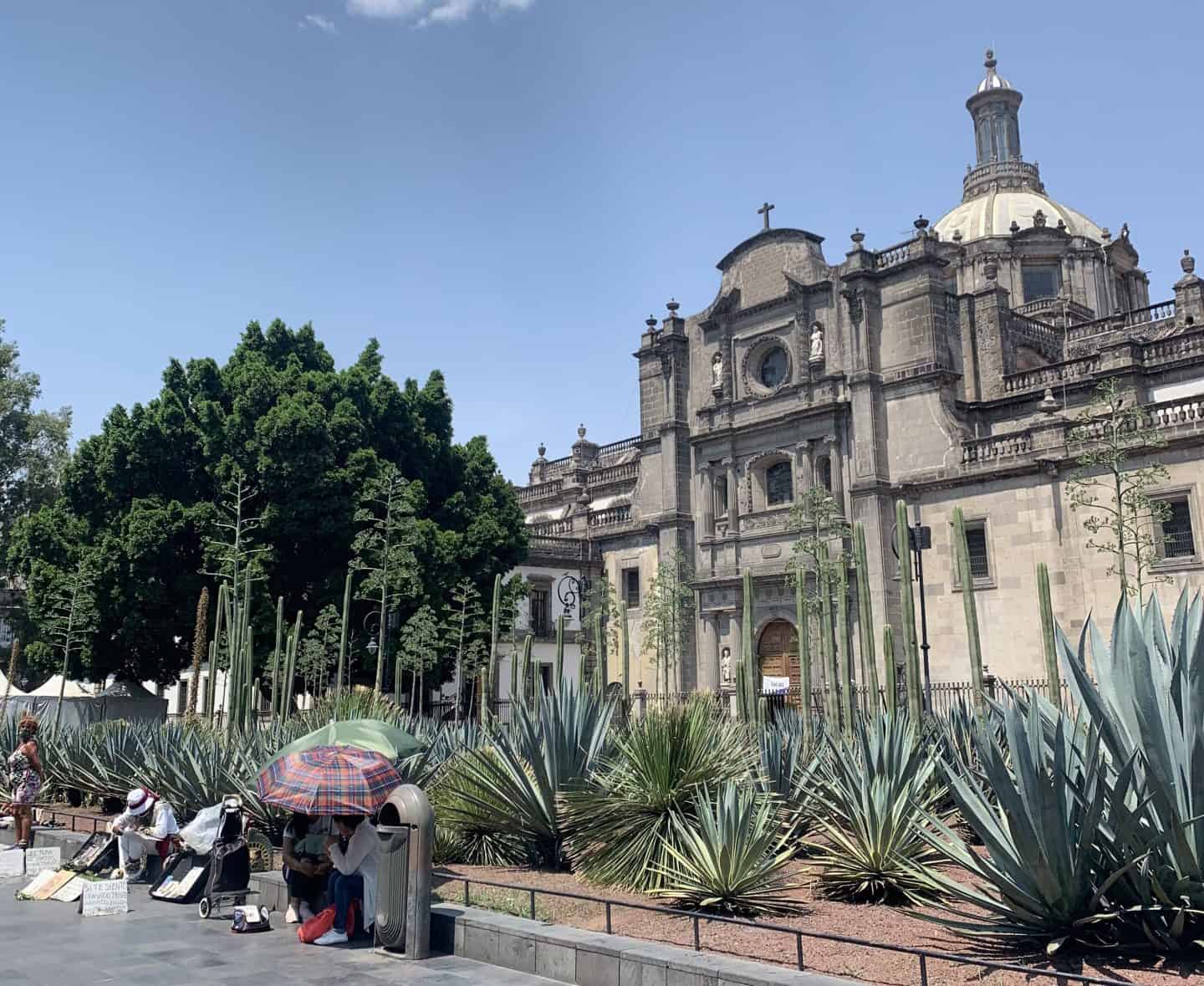
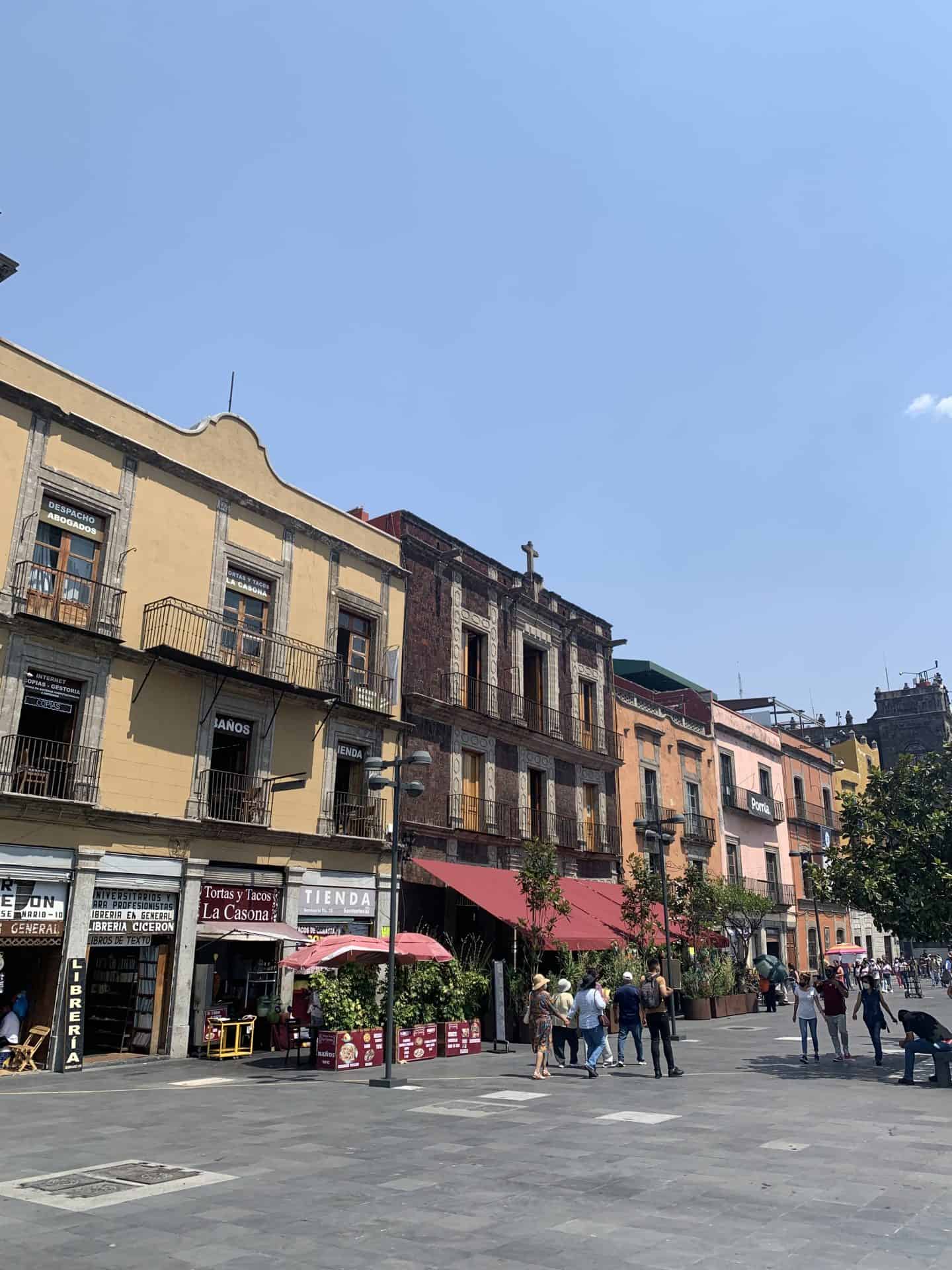
Mexico City is huge, so choosing the right neighborhood matters more than choosing the right hotel. For a first visit, I’d stay in Centro, Roma Norte, or Condesa. All three are walkable, have lots of food and sightseeing close by, and felt safe to me.
Best Neighborhoods for First-Timers
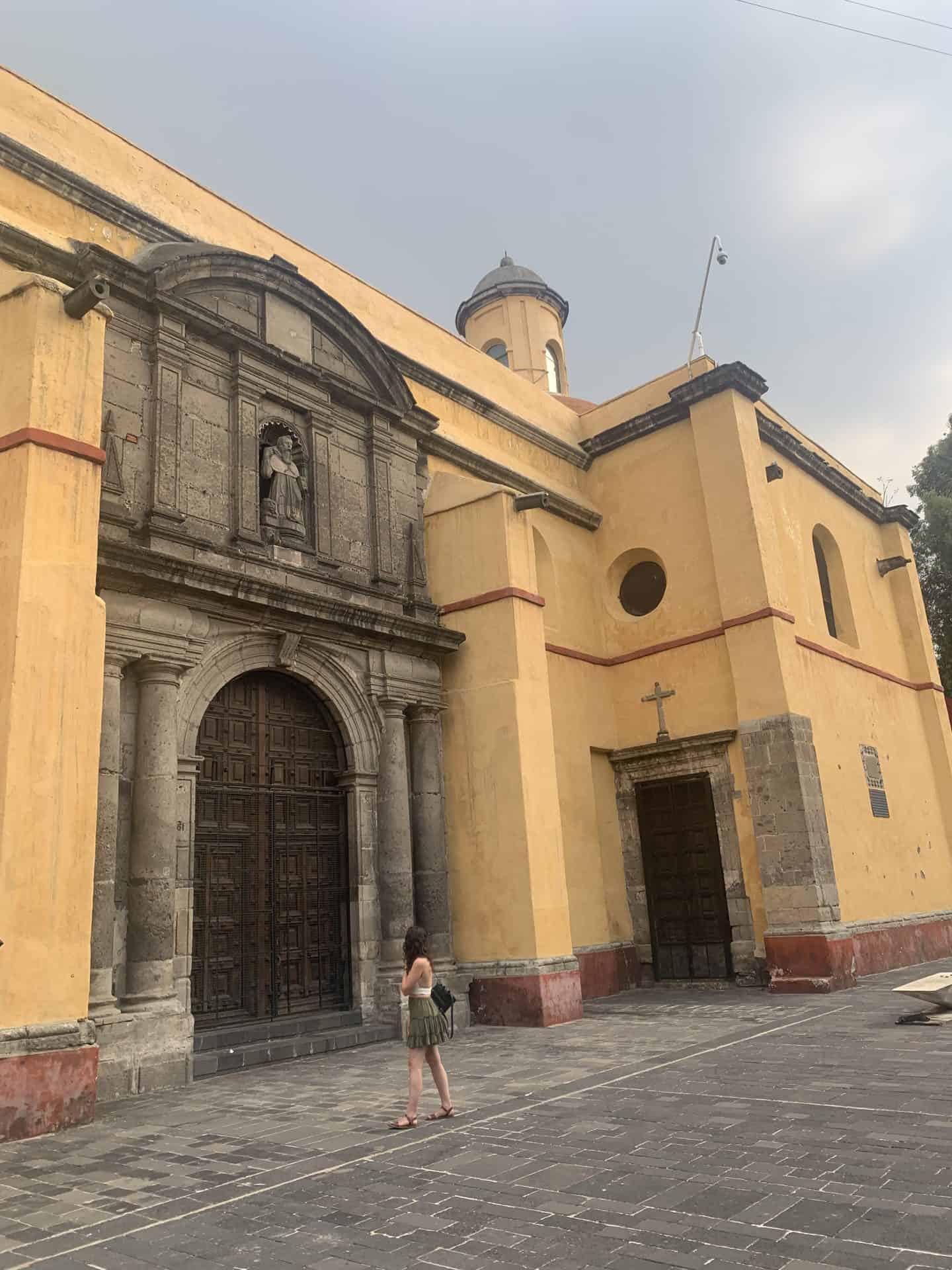
Centro is the easiest base if you want to be near the historic sights. You’re steps from the Zócalo, the Cathedral, and Templo Mayor, and a short ride from Bellas Artes, so you can walk to a lot of the classic highlights. During the day, I felt completely safe here (I still took basic safety precautions like not walking with my phone in my hand, and staying aware). I felt relatively safe at night since I was with my now-husband, but if I were solo, I would stick to Ubering after dark.
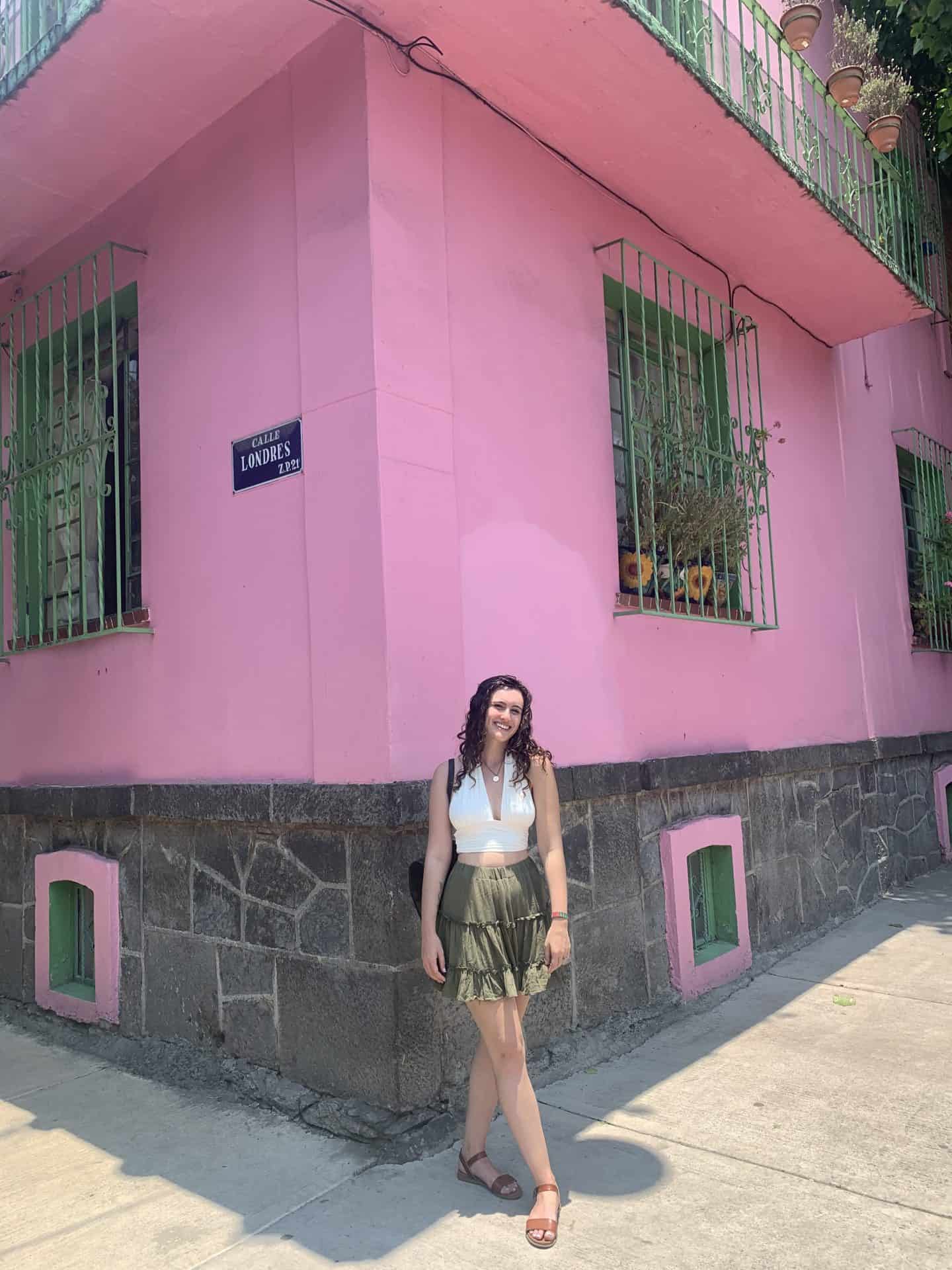
Roma Norte and Condesa are my pick if you’d rather be in a leafy, artsy, café-filled area. They border each other, and a lot of the appeal is just wandering, with Parque México, Parque España, and Avenida Amsterdam nearby. They’re very popular with tourists, so they could also be a more comfortable option if you’re solo.
My verdict: Stay in Roma Norte or Condesa if you like to wander and eat at your own pace. Choose Centro if you want to be close to the history and don’t mind a busier area.
Hotel Picks
I only recommend places that are well rated, have plenty of reviews, and that I’d consider booking myself.
- Hotel Principal, Centro: Beautiful, top-rated, and conveniently located.
- NaNa Vida CDMX, Roma Norte: This gorgeous hotel has top reviews for its location, staff, and spacious rooms.
- Hostal Fungi Casa Rosa, Condesa: Cute, super budget-friendly, and even has breakfast included.
Browse more Mexico City hotel options below:
For a neighborhood-by-neighborhood breakdown with picks at every budget, see my Where to Stay in Mexico City guide.
Top Things to Do in Mexico City
Mexico City is a cultural and culinary destination, a giant city full of parks, and a haven for architecture and history lovers. You could fill weeks here, so these are the highlights I’d prioritize on a first visit. A quick reminder: most museums are closed on Mondays. For a day-by-day plan, see my 5-day Mexico City itinerary.


Centro
Zócalo and Templo Mayor. The Zócalo is the large public square at the heart of the historic downtown, surrounded by gorgeous buildings, vendors, and restaurants. Templo Mayor, an Aztec temple dedicated to the gods of war and of rain and agriculture, sits right here, and the site includes a small museum. 💸 Price: $210 MXN for international visitors.
Palacio de Bellas Artes. One of the most stunning buildings in the city, this cultural center and museum is decorated with murals by some of Mexico’s most iconic artists and hosts regular performances. 💸 Price: $95 MXN
Torre Latinoamericana. A 545-foot skyscraper with a panoramic view of the city, and a little café at the top. It isn’t a must, but I think it’s worth doing once. 💸 Price: about $220 MXN.
La Ciudadela. An artisan market that’s known as the place to shop for souvenirs, like textiles, glassware, and crafts.

Coyoacán
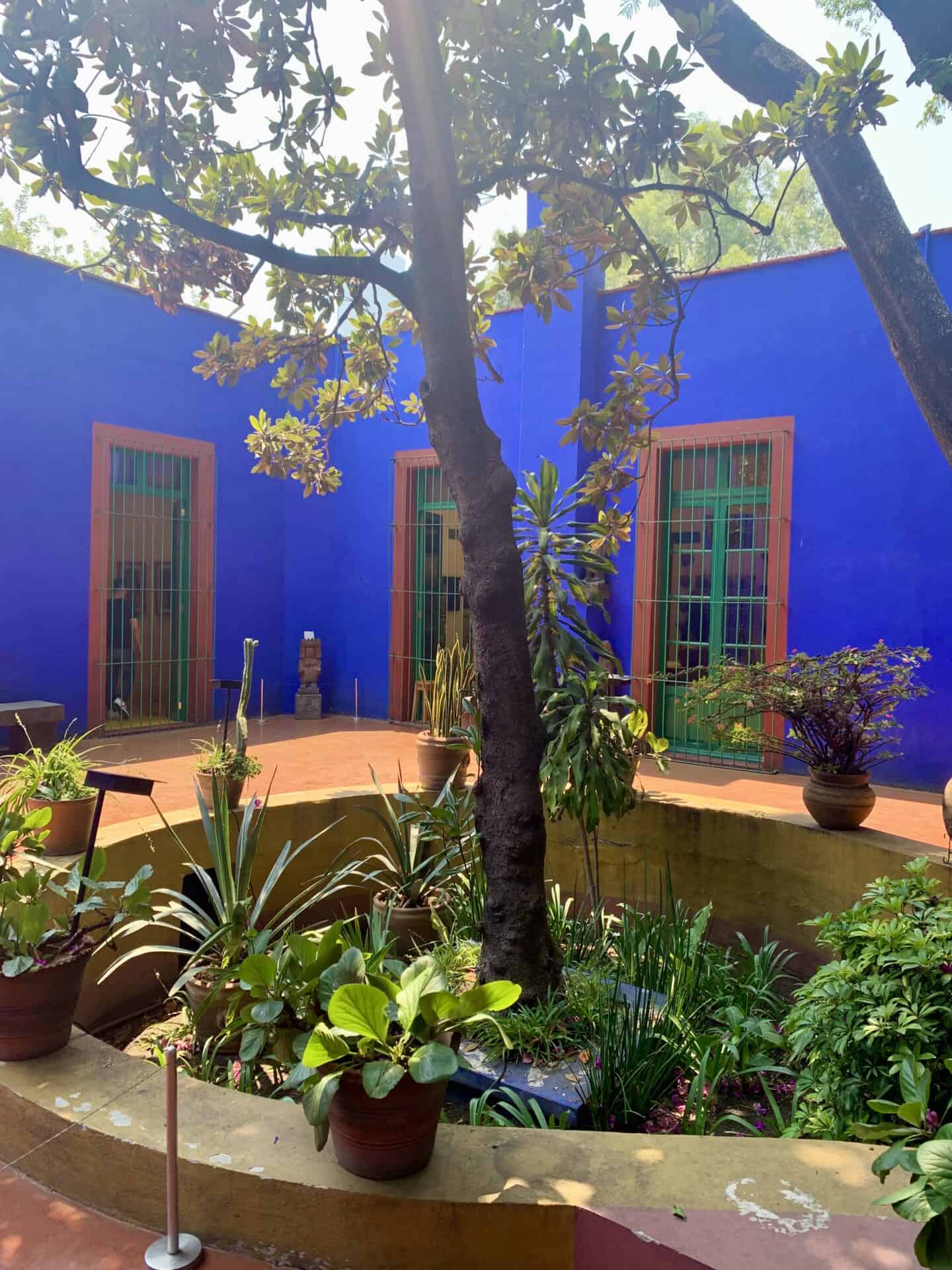
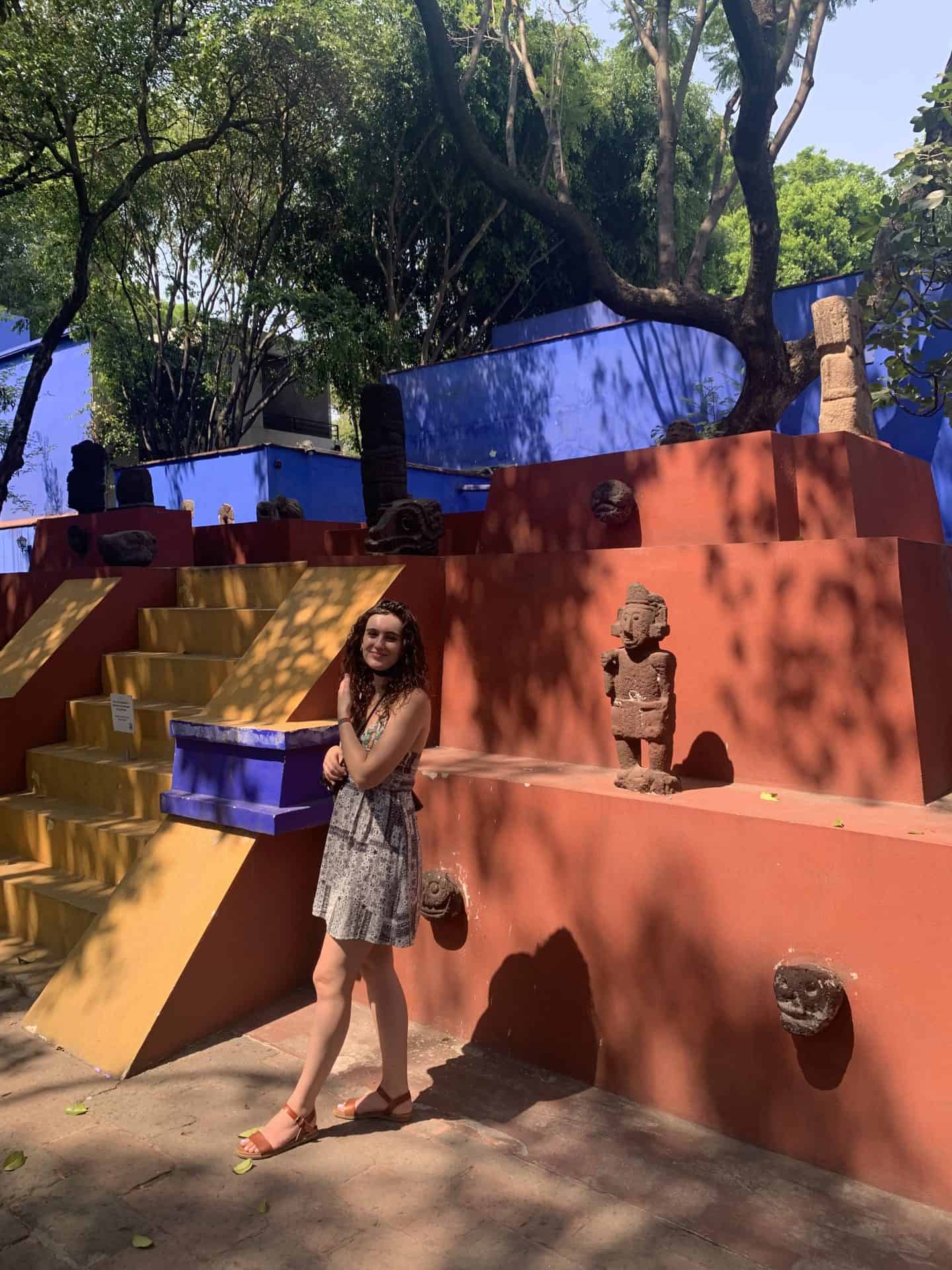
Casa Azul (Frida Kahlo Museum). My personal favorite place in Mexico City. This is Frida Kahlo’s former home, where she lived with Diego Rivera, and it’s full of artifacts, clothing, furniture, and art, with a beautiful garden. When I visited, there was a special exhibit on her clothing and what it said about her identity. 💸Price: $320 MXN
Museum of Popular Culture. A small museum with diverse exhibits on Mexican culture, from preserving Indigenous languages to feminist art. 💸Price: $20 MXN
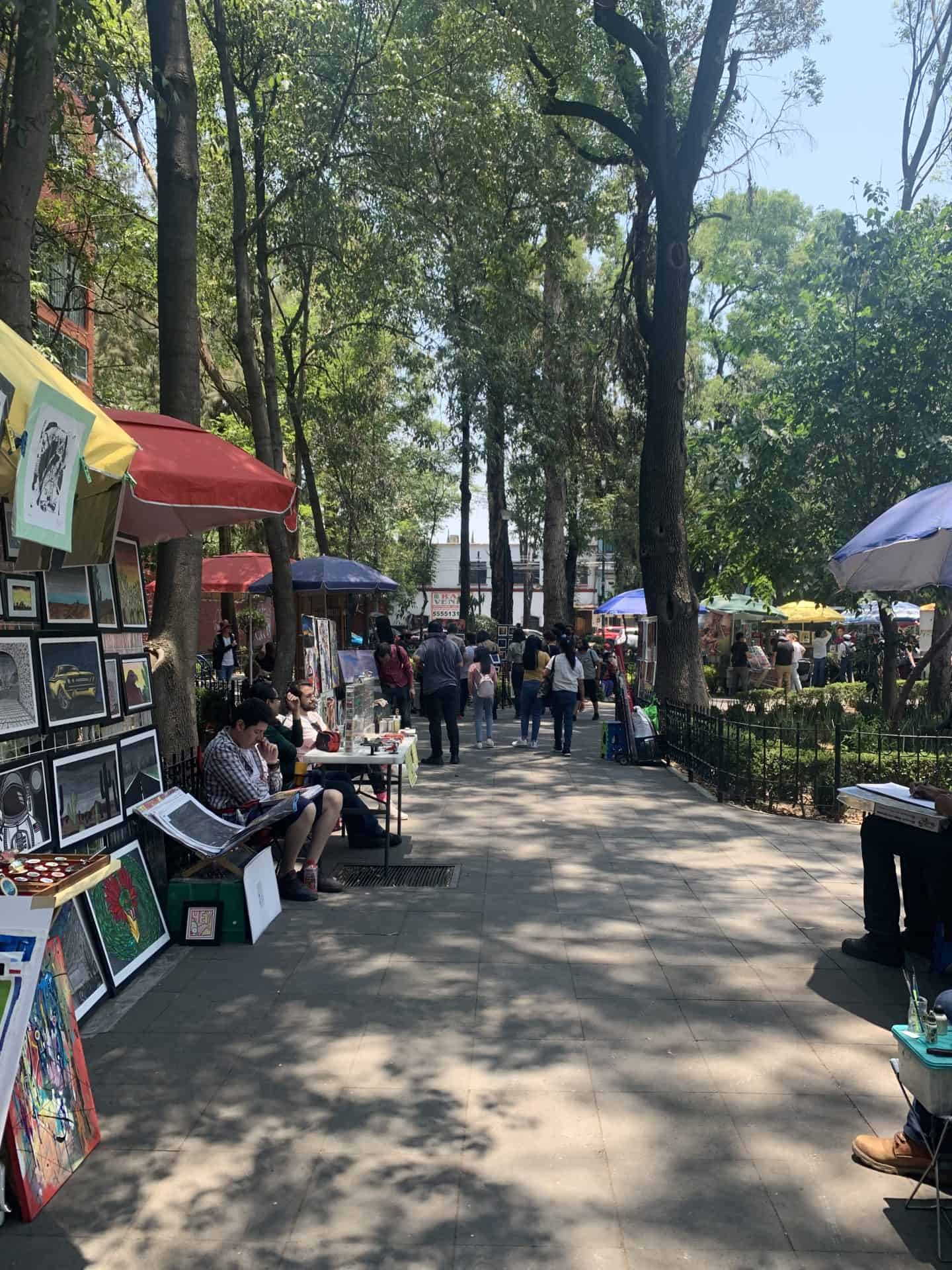
Mercado de Coyoacán and Parque Allende. The market has everything from food to textiles to flowers, and it’s a good place to stop for lunch. Across the street, Parque Allende has local artists selling their work on weekends. I bought a piece of art there that’s hanging on my wall.


Chapultepec Park and Polanco
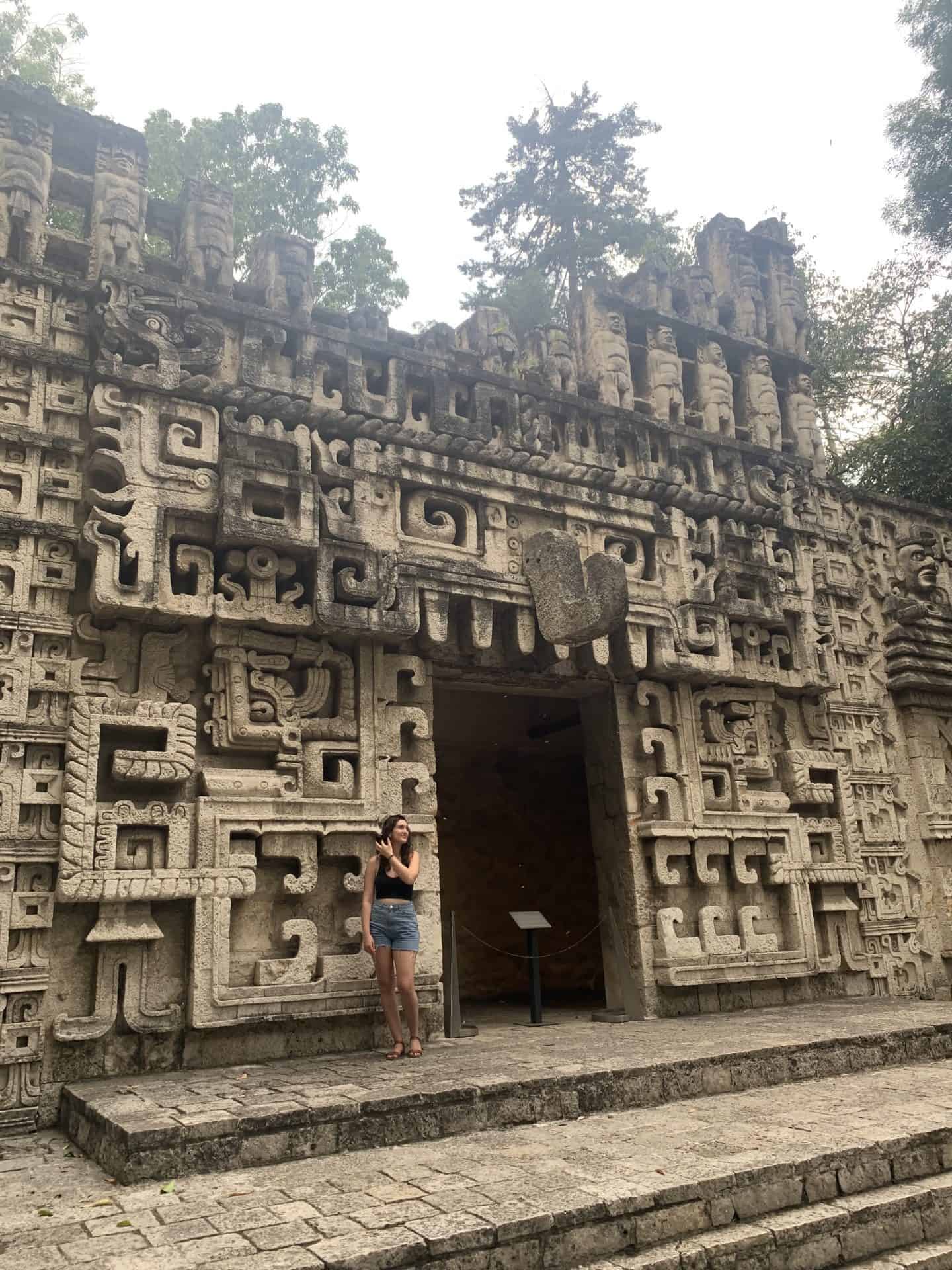
Chapultepec Park. It’s enormous, and I may have gotten slightly lost, so screenshot a map first. You could spend the whole day here, with several museums and a lake.
National Museum of Anthropology. The most visited museum in Mexico, with over 20 permanent exhibits on Indigenous cultures. It’s giant, so give yourself a good chunk of time. 💸Price: $210 MXN.
Chapultepec Castle and the National Museum of History. The museum is housed in the castle, which was once a military academy, an imperial and presidential residence, and an observatory. It sits on a spot that was sacred to the Aztecs. 💸Price: $210 MXN.

Roma Norte and Condesa
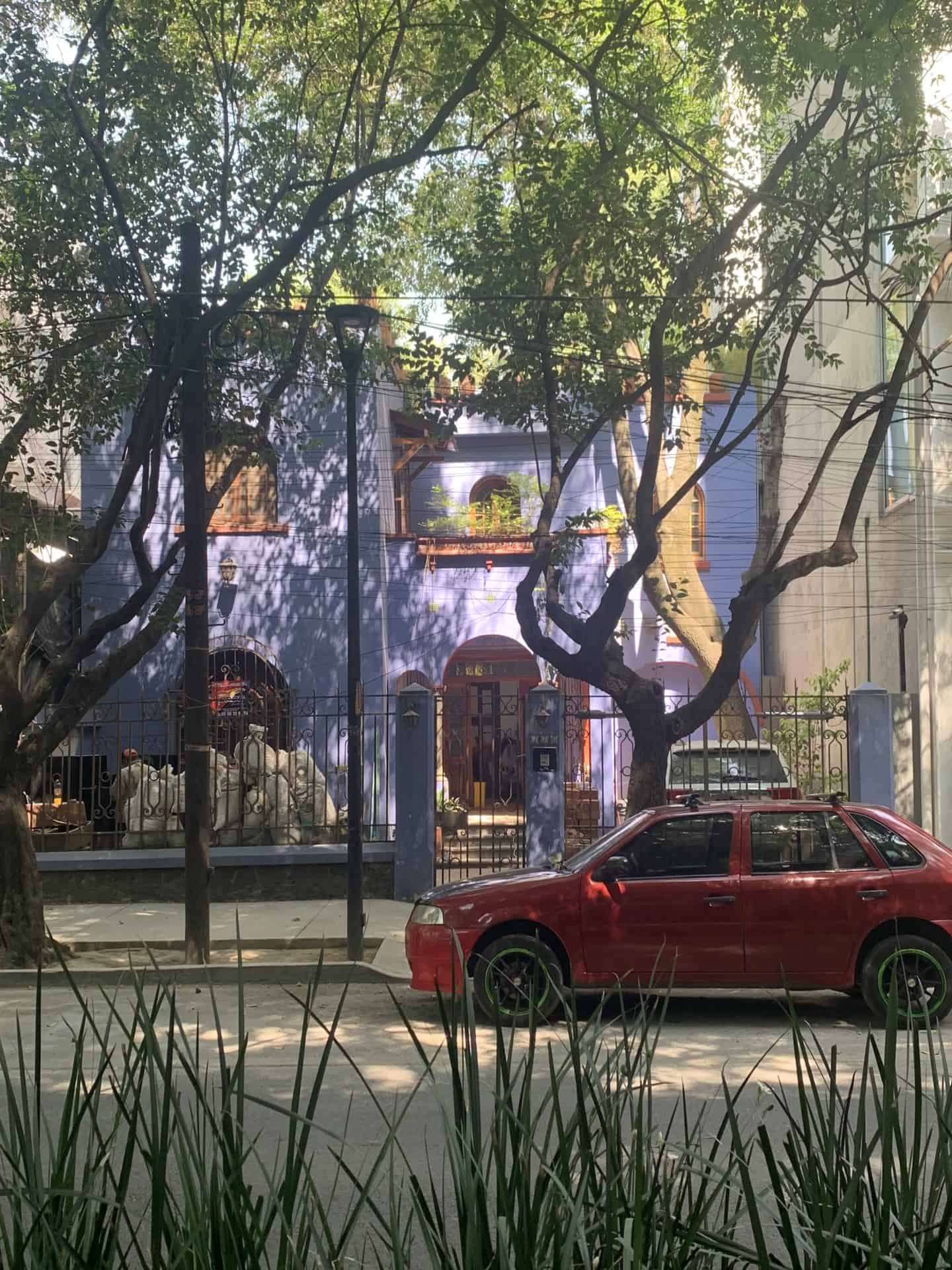
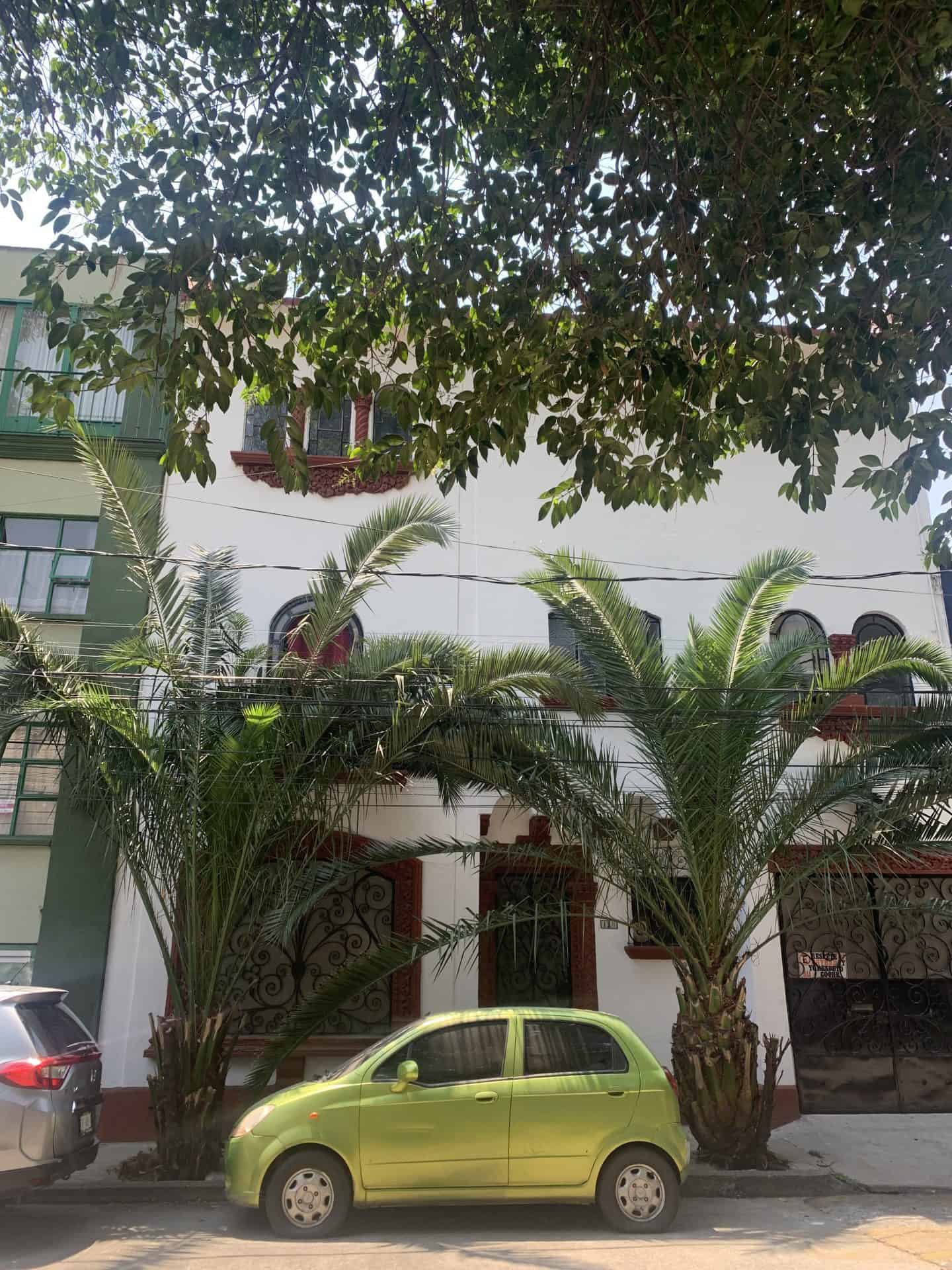
These two neighborhoods are relaxed, artsy, and best for wandering. Parque México, with its tropical greenery, fountains, and pond, wowed me, and Parque España is smaller but lovely. Walk along Avenida Amsterdam for some of the city’s most picturesque architecture, and in Roma Norte, look for the art galleries, museums, and street art.
Day Trips: Teotihuacán and Xochimilco
I haven’t done either of these, so the details come from research.
Teotihuacán. An ancient Mesoamerican city with some of the country’s most impressive pyramids, about 45 minutes northeast of the city. A tour handles transportation, and you can add a hot air balloon flight over the site. See my tour pick and my itinerary for going on your own.
Xochimilco. A boat ride along a network of canals dating back to Aztec times, usually on a colorful trajinera, often with food, music, and drinks. I’ve heard prices vary and depend on negotiation, so a tour with drinks included can be easier.


What to eat and drink in Mexico City
What to Eat and Drink in Mexico City
Mexico City is the ultimate food destination (I hate using the word “foodie,” but I’ll excuse myself this time). Here’s a short list of dishes you’ll see everywhere, which are perfect for a first visit. For 25 more, see my guide to what to eat in Mexico.
Tacos. Tacos in Mexico City are on a whole other level compared to what we usually get in the U.S., whether you go to a sit-down restaurant or a street vendor. Al pastor (marinated pork) and asada (grilled steak) are especially popular. Tacos Chupa Cabras in Coyoacán and Taquería Orinoco in Condesa are two of my top picks.
Chilaquiles. A popular breakfast of fried tortilla chips topped with salsa and eggs that I ate multiple times during my trip. They’re also delicious served on a large roll as a torta.
Mole. A sauce frequently paired with chicken or fish, and it comes from Oaxaca and Puebla, though you’ll find it in the city. It isn’t one flavor, since it can be made with lots of ingredients, and mole negro is probably the most common, famously made with chocolate and chiles.
Churros. A dessert I usually overlook at home, but they’re the perfect sweet snack here, lightly coated in sugar and cinnamon and even better with hot chocolate.
Horchata and agua de jamaica. Horchata is made with rice milk and cinnamon, traditionally dairy-free, and it’s one of my favorite drinks to order. Agua de jamaica is a hibiscus tea that’s sweet without being too sweet, with a bit of tartness, and it’s easy to find.
Micheladas. A classic beer-based cocktail with its own mix of spices and seasonings, a little like a Bloody Mary. Honestly, it isn’t my cup of tea, but it’s super popular and worth trying if you haven’t.
Tip: Plenty of street vendors only take cash, so keep some pesos on hand.
🥑 Want to try a lot at once? A food tour is on my list for next time, and this five-hour tour in Centro looks great. I haven’t taken it yet, but it’s high on my list for next time.

Can you drink the water in Mexico City?
You will want to avoid drinking the tap water here.
Make sure all water comes from a sealed bottle, and be careful about ice, or any fresh produce that could’ve been washed in water. You’ll even want to use a water bottle to rinse your toothbrush.
You may want to pack some probiotics and other medicines in case you end up with traveler’s sickness — this is a travel must-have for me, regardless of where I’m traveling, but is especially important in Mexico.
Getting a SIM card in Mexico City
If you’re from the U.S. your phone may even work normally without getting a new SIM card, depending on your phone provider and plan. I have Verizon, and I have service in Mexico.
🌎 If not, getting an eSIM through Saily is super easy and affordable. It allows you to keep your regular number, which is also a plus compared to the physical card. Use code TESS10 for 10% off.
If your phone requires a physical card, you have a number of options. You can get a Telcel prepaid sim card at Mexico City Airport, or a Telcel, Movistar or AT&T card at one of their stores, which you can find at many grocery stores, or shopping centers.
(On a related note, Mexico uses the same plugs as in the US, so you won’t need any international adapters to charge your electronics, luckily.)

Is Mexico City safe?
Safety is an issue that typically arises when people talk about Mexico, and I know it can be even more of a concern if you’re traveling solo.
While feelings of safety can certainly be subjective, to be honest, despite considering myself a relatively anxious person, I felt completely safe when I was there.
It is a major city, so like anywhere, you’ll want to take basic precautions like being aware of your surroundings, not wandering alone at night, and not having all your money with you when you go out for the day.
While there are some areas you’ll want to be more cautious, these aren’t any touristy areas where you’d likely be going on your first trip, anyway.


Costs of traveling in Mexico City
These are rough estimates based on my experience as well as research, and are of course subject to change!
- Dorm bed in a hostel: $8 to $35 a night
- A private room in a basic hostel or hotel: $19 to $45 a night
- A 4 or 5-star hotel: $45-$100+ a night
- A beer: $1.50 to $6
- A coffee: $1.50-$2.50
- A street taco: around 50 cents to $2.50
- A typical meal: $3 to $15
- A short Uber ride: $3.50 to $10
What to pack for Mexico City
There are a number of essentials you’ll want to bring to Mexico City. Here are some musts:
- You’ll definitely want layers, like a light jacket.
- Medicines for altitude and stomach issues, just in case.
- People tend to dress more on the conservative side, so if you want to try and fit in a bit, bring some longer pants/skirts/dresses/etc.
- Comfortable walking shoes are an absolute must.
Mexico City Travel Guide FAQs
How many days do you need in Mexico City?
For a first visit, I’d spend at least five days, which gives you time for the main sights, a couple of neighborhoods, and a day trip. I wouldn’t do fewer than three, especially if one falls on a Monday, when most museums are closed. If you want a plan, see my 5-day Mexico City itinerary.
When is the best time to visit Mexico City?
There’s really no bad time, since the weather is fairly temperate. Spring is often called the best time, with warm weather and jacarandas blooming in March and April. Pack layers whenever you go, since evenings get chilly, and plan for rain if you’re visiting in the rainy season. See my packing guide for what to bring.
Is Mexico City safe for tourists?
I felt very safe, and I’m a relatively anxious person. It’s a major city, so take basic precautions: be aware of your surroundings, don’t wander alone at night, and don’t carry all your money with you. The areas to be more cautious about aren’t places you’d likely go on a first trip.
Do I need a visa for Mexico?
Requirements differ by nationality, but U.S. travelers don’t need one for stays under 180 days.
Do I need cash in Mexico City?
Yes, bring some pesos. Many places take cards, but street vendors are often cash only or charge a fee for cards. Take cash out at a bank ATM, and decline the currency conversion, which can cost you extra.
Is the tap water safe to drink?
No, I’d avoid it. Stick to sealed bottles, be careful with ice and fresh produce, and use bottled water to rinse your toothbrush. A filter bottle helps, and it’s smart to pack some stomach medicine in case.
Can I take an Uber from the airport?
Yes. Despite what some people say, you can take an Uber from the airport, and ride shares are affordable and easy around the city. Traffic can be heavy, so leave extra time.
Where should I stay in Mexico City for the first time?
Centro, Roma Norte, and Condesa are all walkable and have lots of food and sights nearby. See “Where to Stay” above, or my full where to stay guide.
Head to one of these guides next
- Mexico City Travel Guide: Tips for Your First Visit
- Where to Stay in Mexico City: Budget Hotel and Neighborhood Guide
- What to Pack for Mexico City
- 5-Day Mexico City Itinerary on a Budget
- The Perfect 3 Weeks in Mexico Itinerary
- What to Eat in Mexico: 25 Top Foods and Drinks
- Oaxaca City Travel Guide: What to Do, Eat, and Where to Stay
- Best Things to Do in Puerto Escondido, Mexico

I haven’t visited Mexico in ages, but would love to. These are very helpful tips, especially for people who want to experience the culture and explore. Thanks!
Thanks so much for reading! I hope you get to go back to Mexico soon 🙂
I’m so happy you had a fantastic first visit to Mexico City!
Thanks so much, Susye 🙂
Love your MExico posts! I really would love to visit Mexico, and I would try to start in Mexico City, because of modernist architecture but feel slightly intimidated as it’s a big city. Your posts will really help with planning.
Thanks so much, Anja! Mexico City has such amazing architecture! I totally get feeling intimidated — luckily it’s super tourist-friendly and isn’t too difficult to navigate. I’m sure you’ll love it 🙂
One of my friends visited Mexico City (I’ve never been), and he raved about the Vegan food and loved his trip. Looks like a vibrant city with amazing historic architecture, vibrant colors, delicious cuisine, and I love how you mentioned safety.
I feel like everyone I know who’s been has loved it!! it’s definitely one of my favorite places I’ve visited 🙂