Where to Eat in New Orleans: A First-Timer’s Food Guide
Disclosure: Tess the Traveler contains affiliate links and is a member of the Amazon Associates Program, meaning that if you make a purchase using one of these links, I may earn a commission. I only recommend products and companies I trust. See the Privacy Policy for more information. Thanks for your support!
Figuring out where to eat in New Orleans was harder than I expected. I spent three days here, and with so many restaurants, po’boy shops, and bars, I ended up making most of my decisions in the moment. I’m sharing what I ate, what I’d order again, and what I’d do differently.
This guide is organized by neighborhood, so you can plan meals around where you’ll be that day. I’m sharing places I tried and can speak to first-hand, and along with places on my list, that I’ve researched and are recommended by locals and travelers. I checked everything in Nov. 2026 but restaurants here open and close often, so check hours and reviews before you go. Three of my own favorites, Cafe Sbisa, Marigny Brasserie, and Alma Cafe, have closed, so I’ve left them out.
If you’d rather have your meals planned alongside sightseeing, my 3-day New Orleans itinerary has a few picks for each day.
Price key: $ = cheap eats, $$ = moderate, $$$ = a splurge, $$$$ = special occasion.
🍹 My Quick New Orleans Planning Tips 🎷
👻 Don’t skip a Ghost, Voodoo and Vampire walking tour!
🥂 Stay at the top-rated French Market Inn for the perfect location, a pool, and a courtyard
📱 My favorite eSIM if you’re from outside the U.S. (Use code TESS10 for 10% off!)
🧳 At the top of my packing list: Sunglasses, comfortable walking shoes, and a crossbody bag
If you only have time for a few meals:
- Beignets and chicory coffee: Café Du Monde, or Café Beignet if you want live jazz
- A muffuletta: Napoleon House, which serves it hot, in a quarter size if you’re sharing
- A po’boy: Johnny’s Po-Boys in the French Quarter
- A classic Creole splurge: Antoine’s or Commander’s Palace
- Brunch with praline bacon: Elizabeth’s in Bywater

The French Quarter
Café Du Monde · $
📍 Google Maps (French Market).
Probably New Orleans’ most famous beignet spot. It opened as a cafe and coffee shop, and it’s known for its chicory coffee and café au lait as well as its beignets. There are 10 locations around the city, including the French Market and City Park (56 Dreyfous Dr.). Its French Market location cash only, so bring bills. And don’t wear black, because the powdered sugar goes everywhere.
Café Beignet · $
One of four locations, with others on Canal Street, and this one sits in a cute little park with live jazz every day. I wasn’t super impressed with the grits that came with my omelette, but the beignets were 10 out of 10.

Loretta’s Authentic Pralines · $
📍 Google Maps (Stall #9, French Market).
A well-known praline shop with two locations. Their crab beignets are at the top of my list for next time.
French Toast · $$
A breakfast spot with toast in every form, plus crepes, French toast, and eggs.
Napoleon House · $$
A historic French Quarter institution that’s been around since 1914 and that serves its muffuletta hot. You can order a full, half, or quarter size, which is what I went with. I had mine with a Pimm’s Cup, which the restaurant helped make popular around the city. It was a perfect solo meal before leaving New Orleans, and the atmosphere was really cool as well. Just expect a bit of a wait.


The Court of Two Sisters – $$
A big reason to come here is for the atmosphere — I haven’t been yet, but this restaurant has a gorgeous courtyard area, with a fountain, string lights, and live jazz. They serve a Creole brunch buffet ($39 for adults, $18 for kids 5-12) and á la carte dinner service, with dishes like corn and crab soup, crawfish bread, and fried Louisiana catfish.
Johnny’s Po-Boys · $
The French Quarter’s oldest family-run po’boy shop. A fried shrimp po’boy is the classic order.
Central Grocery & Deli · $
An iconic Italian market where the muffuletta originated. It was closed during my viist due to hurricane damage, but it has since reopened. Their portions are apparently huge — a half-size sandwich is enough for two people, in many cases.
Verti Marte · $
Serves muffulettas hot or cold (including a spicy version), plus sandwiches like po boys and the “all that jazz,” which has grilled ham, turkey, shrimp, Swiss, and American cheese and is topped with mushrooms, tomatoes, and sauce. It’s open 24/7.
Mr. Ed’s Oyster Bar & Fish House · $$
This is another that’s high on my list for next time. Creole and New Orleans classics, including red beans and rice, and plenty of seafood, of course oysters.
Antoine’s · $$$$
A New Orleans classic that has been family-owned since 1840, and the home of Oysters Rockefeller, which are one of my favorites. Jackets are suggested but not required for men, and business casual is expected. Walk-ins are available, but it’s best to make a reservation at least a couple of weeks ahead.

Tremé
Dooky Chase’s · $$
Well known and loved for its Creole soul food since 1941, and its gumbo and étouffée are part of its legacy. It’s also an important piece of civil rights history. Hours are a little funky — they’re closed Sundays and Mondays, open 11am to 3pm Tuesdays through Fridays, and 5:30 pm to 9 pm, Fridays and Saturdays.
Li’l Dizzy’s Cafe · $
Around since the 1940s, and a great, low-key lunch spot for gumbo, fried chicken, macaroni and cheese, and po’boys. They close at 3pm daily.

The Central Business District and Warehouse District
Zesty Creole · $$
This was my first meal in New Orleans, and it has all the New Orleans classics, including gumbo, jambalaya, and crawfish étouffée. It’s located right where the Mardi Gras World shuttle drops you off.
The Marigny and Bywater
Unfortunately, the two restaurants I visited in this area have both closed — Marigny Brasserie (where I had a delicious fried green tomato and shrimp po boy), and Alma Cafe, which serves Honduran brunch food.
But these are all places I have my eye on for next time:
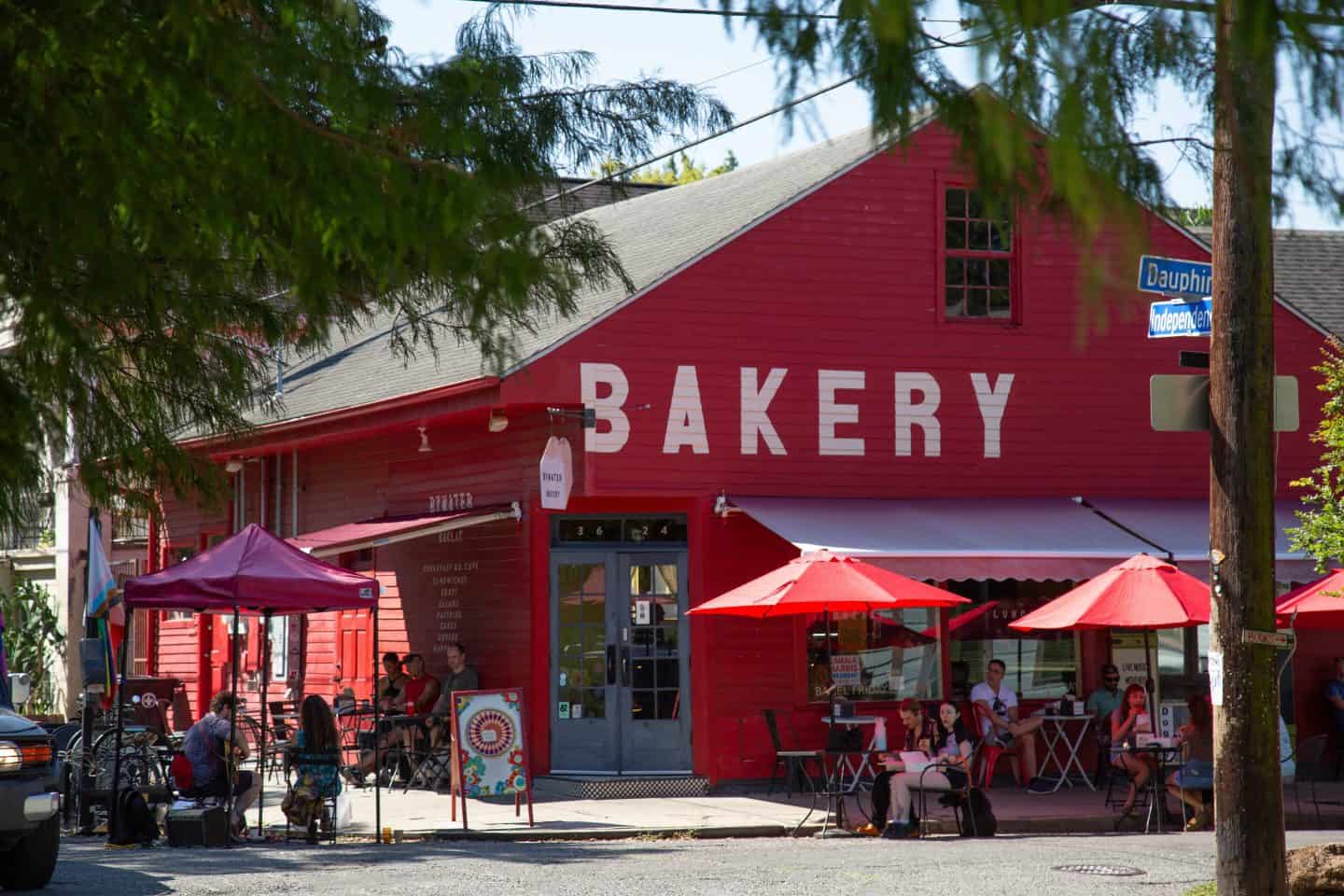
Elizabeth’s · $$
A Bywater spot recognized for its Creole and Southern brunch, famous for praline bacon. They close at 2:30, and offer a cash discount.
Adolfo’s · $$$
A cozy Frenchmen Street dinner spot that serves Italian-American food with a Creole twist. There’s a bar called Apple Barrel downstairs that often has live music.
Dat Dog · $
A good late-night option on Frenchmen Street, serving sausages ranging from crawfish to alligator (there are also a number of vegan options). Open til midnight daily.
Bacchanal Wine · $$
A Bywater wine shop and backyard hangout where you pick a bottle inside and take it out back for live music. You can also build your own cheese plate, and they’ll add all the fixings for you. You’ll also find a range of other rotating menu items, most of which are on the lighter size.

The Garden District, Magazine Street, and Uptown
Turkey and the Wolf · $
A Michelin-recommended, highly rated sandwich shop in the Lower Garden District with unusual options like a fried bologna sandwich and a collard greens melt. Also at the top of my list!
Commander’s Palace · $$$$
Garden District icon since 1893, and an easy stop on a Magazine Street day. It’s known for turtle soup and a weekday martini lunch, and you’ll want to reserve weeks ahead. Note there’s a dress code.
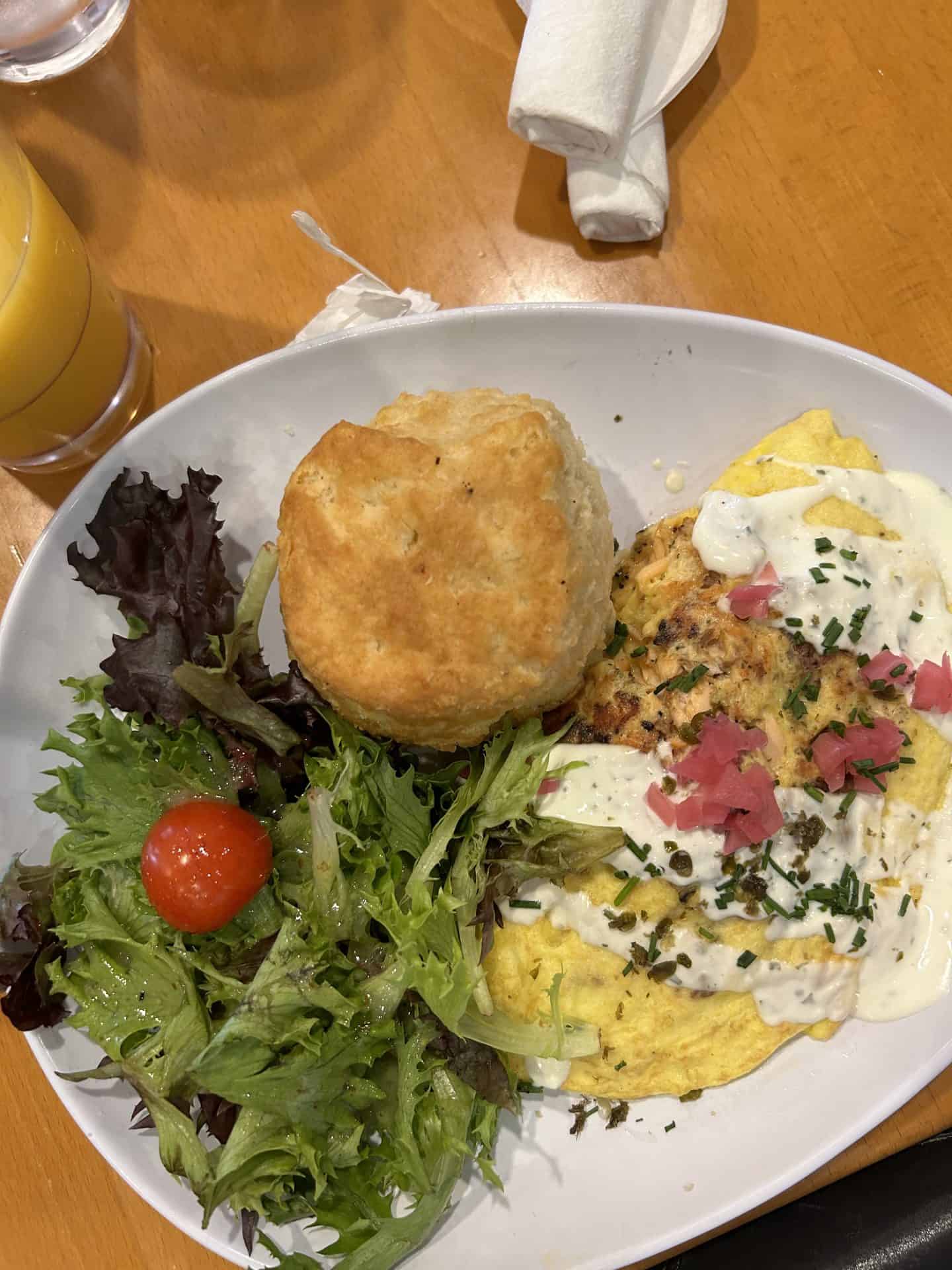
Ruby Slipper Cafe (Magazine Street) · $$
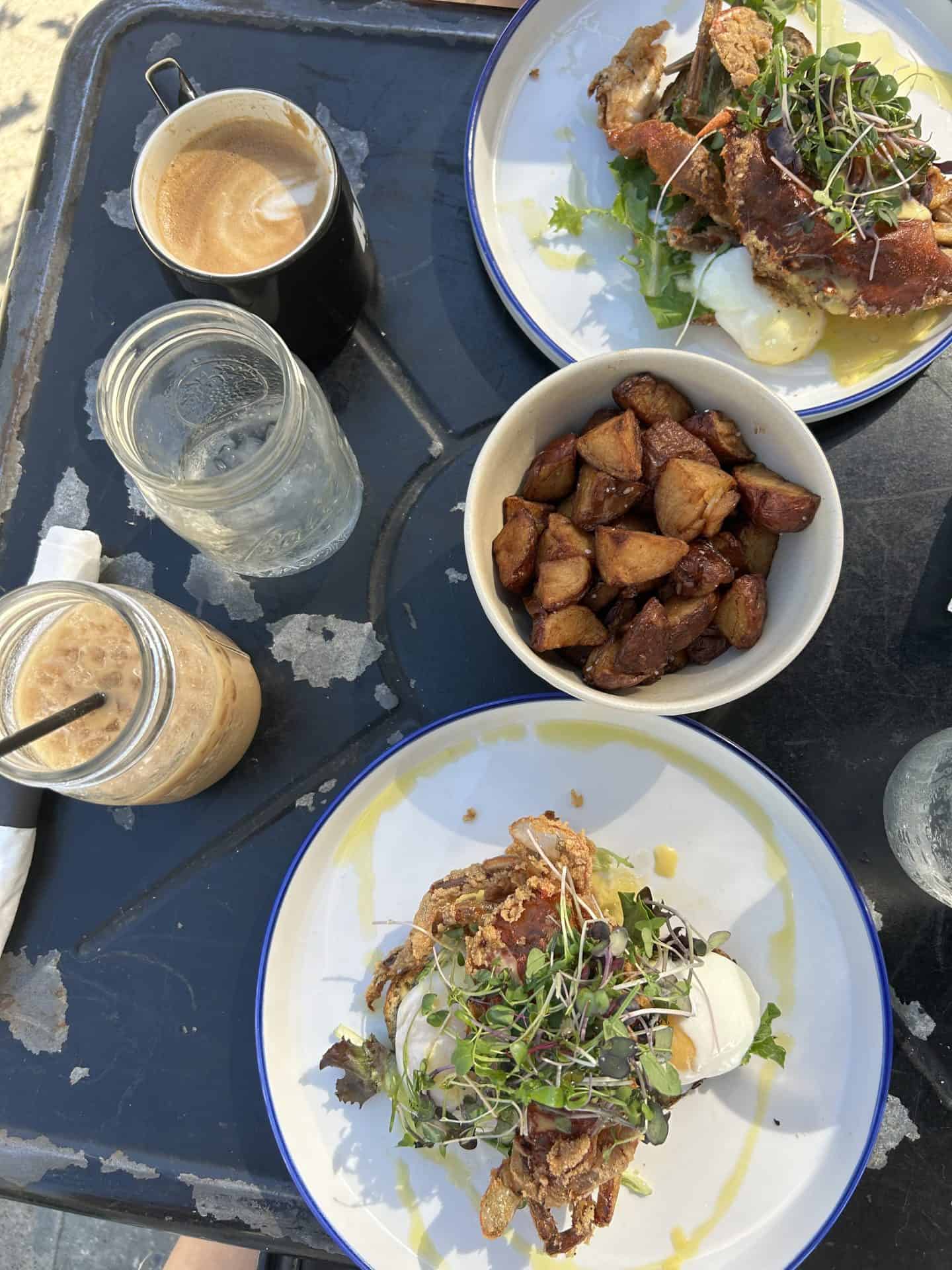
A popular local brunch chain with omelets, egg benedict variations, and sandwiches. I had a really good smoked salmon omelette.
Domilise’s · $
A beloved Uptown po’boy spot, family-operated for decades.

What to Eat in New Orleans
New Orleans is a food city, and it’s hard to know what’s worth the stomach space. These are the dishes I’d prioritize, with where to try each one. Full details for each restaurant are in the neighborhood listings above.
Po’boy
This classic New Orleans sandwich usually comes with a choice of fried shrimp, fried oysters, or some other seafood, plus lettuce, tomato, pickles, and a remoulade or mayo.
Where to try it: Johnny’s Po-Boys (French Quarter) and Domilise’s (Uptown). Opinions among locals differ a ton, so these are starting points.
I loved the po’boy with fried green tomatoes and grilled shrimp I had at Marigny Brasserie, which has since closed.


Gumbo, étouffée, and jambalaya
Gumbo is somewhere between a soup and a stew, and this famous NOLA dish has chicken, sausage, and/or seafood.
Étouffée is a stew with a thick roux-based sauce. It’s a bit spicy and usually has seafood like crawfish or chicken.
Jambalaya technically leans more Cajun than Creole, but it’s also a popular dish here that’s rice-based, with fillings like andouille sausage, chicken, and seafood.
Where to try them: Mr. Ed’s Oyster Bar & Fish House (French Quarter), Zesty Creole (Canal Street), Dooky Chase’s (Tremé), and Li’l Dizzy’s Cafe (Tremé).
Muffuletta
This Italian sandwich has layers of ham, salami, and provolone, with an olive dressing, all on a sesame roll.
Where to try it: Napoleon House (French Quarter), which serves it hot and in full, half, or quarter sizes, Verti Marte (French Quarter, open 24/7), and Central Grocery (French Quarter), where the muffuletta originated.


Beignets
This deep-fried pastry is a New Orleans staple. It’s topped with powdered sugar, which, be warned, goes flying everywhere if you even look at it the wrong way. I pulled a real first-timer move and wore black when I tried it, which I would not recommend.
Where to try them: Café Du Monde (French Market, cash only), Café Beignet (Bourbon Street and Canal Street), and Loretta’s Authentic Pralines (French Market), which I’d love to try for its crab beignets.


More to try
- Red beans and rice: A New Orleans comfort-food staple. Mr. Ed’s lists it, and soul food spots like Dooky Chase’s are known for it.
- Fried chicken: Dooky Chase’s and Li’l Dizzy’s both serve it.
- Oysters: Mr. Ed’s is a casual option, and Antoine’s is the home of Oysters Rockefeller.
- Pralines: Loretta’s in the French Market.
Want someone else to plan it?
🍹 If you’re looking for an easy way to try a bunch of New Orleans staples while learning about some culture and history, why not go on a food tour? This food and history walking tour includes spots serving gumbo, muffulettas, and po’boys, plus a couple of desserts like pralines and bananas foster.
What to Drink in New Orleans
We can’t forget the drinks! If you want an easy way to explore New Orleans’ cocktail scene, consider going on a bar crawl. The city has a rich history, a lot of it veering into spookier, or just plain haunted, territory.
👻 This haunted pub crawl looks like so much fun, and it’s a great way to learn some local history while trying different cocktails.
Here are some cocktails that are super popular in the Big Easy.
- Hurricane: Created at Pat O’Brien’s during World War II, this sweet and fruity cocktail is made with two types of rum, plus lime juice, orange juice, passion fruit, grenadine, and simple syrup.
- Sazerac: The official cocktail of New Orleans, made with rye whiskey, absinthe, a sugar cube, and bitters.
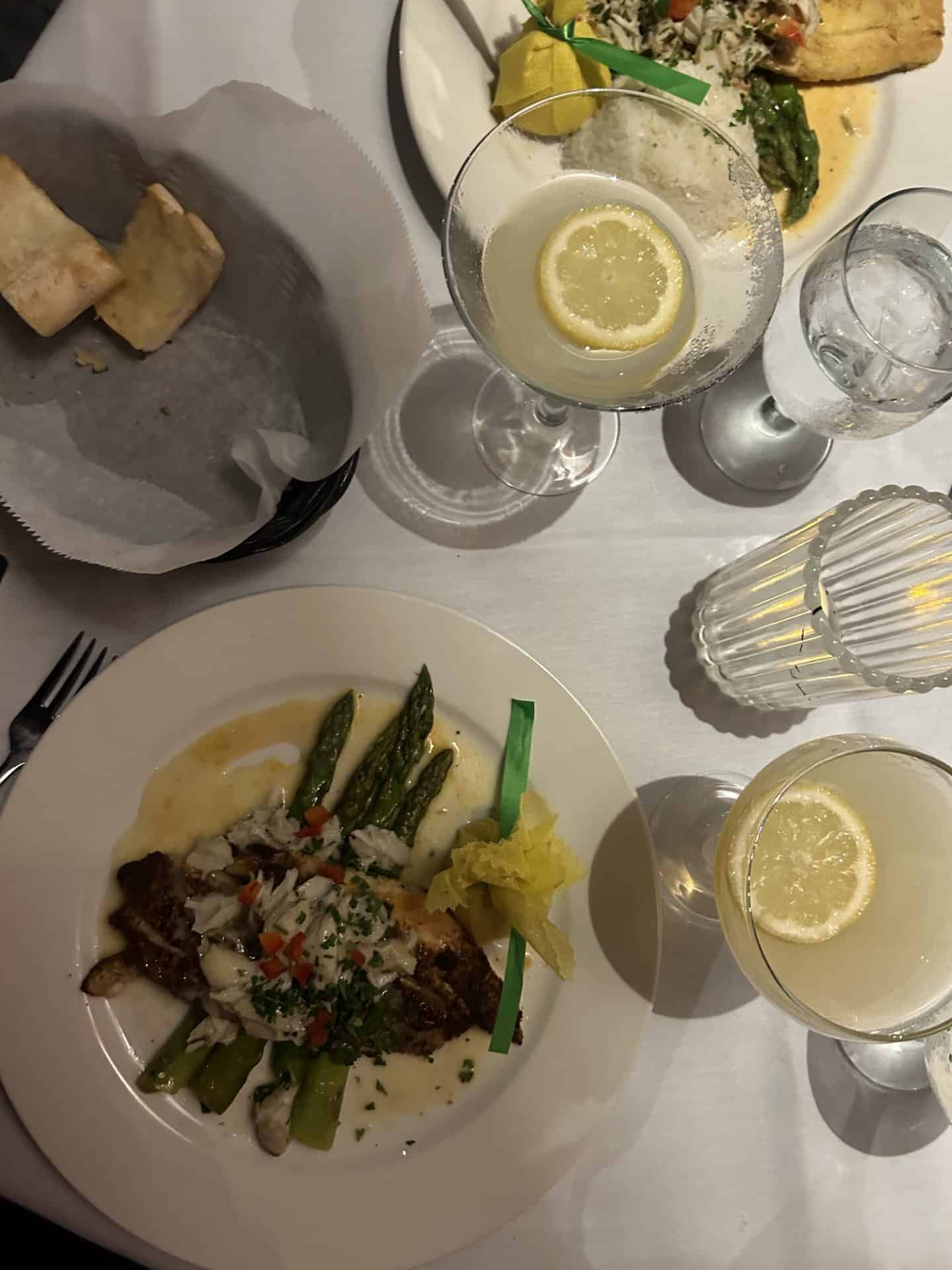
- French 75: It doesn’t technically come from New Orleans, but it was popularized here. It has gin, simple syrup, lemon, and champagne, and it’s light, not too sweet, and citrusy. It’s also one of my favorites.
- Fleur de Lis: A New Orleans classic I hadn’t heard of before my trip but ended up seeing at a bunch of places. It originated at the Carousel Bar, and it’s a gin-based cocktail with elderflower liqueur, lavender simple syrup, lemon juice, egg white, and lemon soda.
- Pimm’s Cup: A British gin cocktail with lemon juice and ginger ale, garnished with cucumber, strawberry, and mint. Napoleon House created its own spin on it that became popular throughout the city, and it’s light and refreshing without being too sweet.
- Ramos Gin Fizz: First invented in New Orleans in 1888, with gin, heavy cream, egg white, lemon and lime, orange flower water, vanilla extract, and soda water.


Best Bars in New Orleans
- Pat O’Brien’s · 718 St. Peter St. · Another New Orleans institution, officially open since 1933 and credited with creating the Hurricane. It also has a piano bar.
- Carousel Bar · 214 Royal St. · A famous spot in the historic Hotel Monteleone that opened in 1949, known for its rotating bar.
- The Sazerac Bar · 123 Baronne St. · A landmark in the Roosevelt Hotel, with specialties that include the Ramos Gin Fizz and, unsurprisingly, the Sazerac.
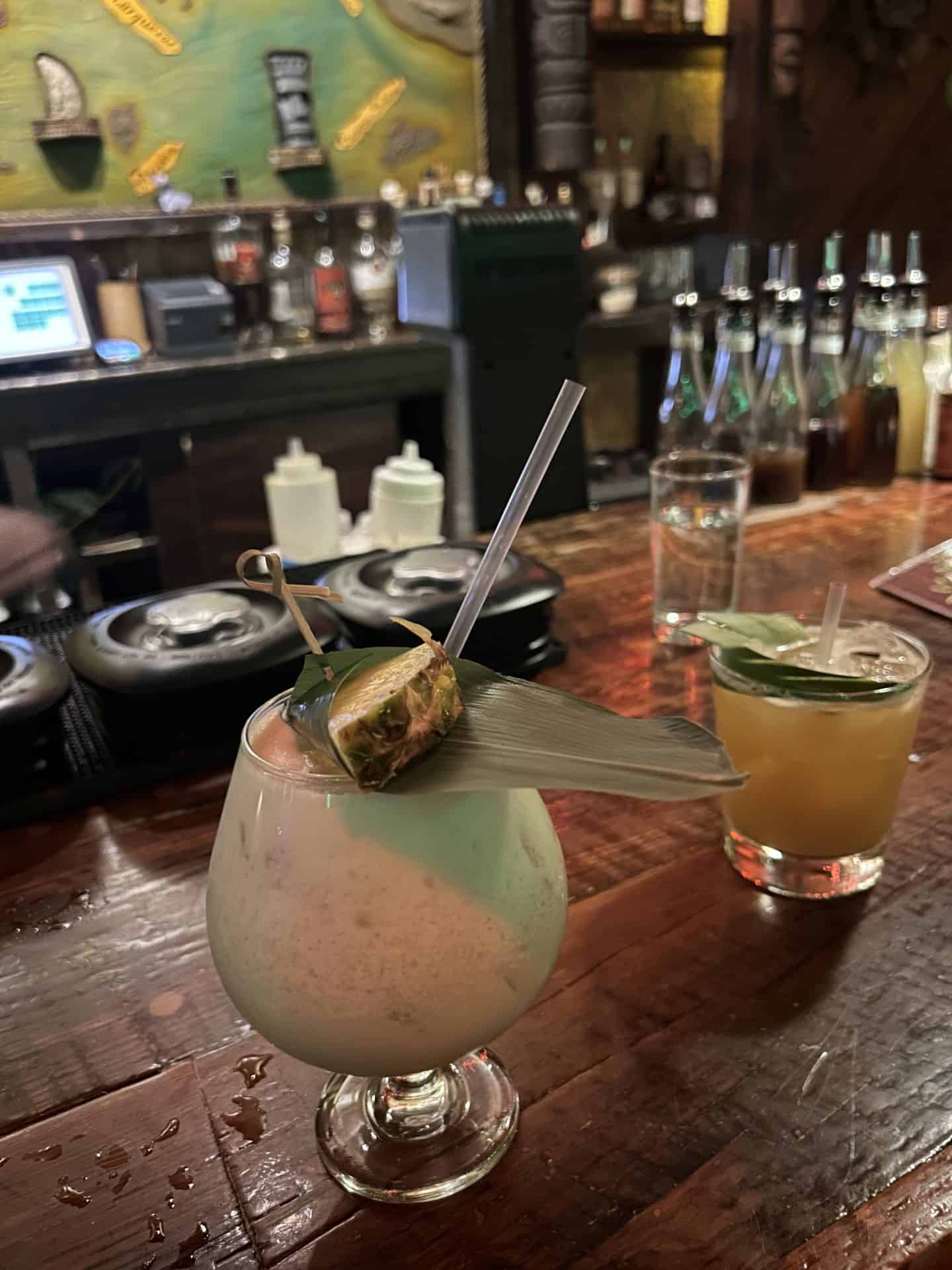
- Beachbum Berry’s Latitude 29 · 321 N. Peters St. · A fun tiki bar with some of the best cocktails I’ve ever had.
- The Chart Room · 300 Chartres St. · An old-school, cash-only dive bar.
- 30°/-90° · 520 Frenchmen St. · An awesome spot for live music on Frenchmen Street. It had a great live band when I went, and there was no cover.
- Blue Nile · 532 Frenchmen St. · Another popular music venue on Frenchmen Street. It had more of a dancing vibe than 30°/-90°, at least during my visit.
- Harry’s Corner · 900 Chartres St. · A cash-only, no-frills dive bar in the French Quarter that locals love, with an old-school jukebox. It’s considered well-priced.
Tips for Eating in New Orleans
- Bring cash. A surprising number of places are cash only, including Café Du Monde, The Chart Room, and Harry’s Corner, and you’ll want cash for tips on tours.
- Tip your server. The standard is generally 20%.
- Reserve the classics early. Restaurants like Antoine’s and Commander’s Palace can book up, (and have dress codes) so check before you go.
- Consider lunch for the splurges. Some of the grand Creole restaurants offer the same kitchen at lunch for less than dinner.
- Check the season. Crawfish is at its best from March to May, but are typically available January to July.
- Wear something other than black when you eat beignets. Enough said.
- Don’t try to eat everywhere. The food scene is huge, and I definitely couldn’t conquer it in three days. I’d pick a couple of places you really want to hit and leave room to wander and see what you stumble on.
- Restaurants change. I checked everything in Nov. 2026 but places open and close often (RIP to three of my favorite NOLA meals, Marigny Brasserie, Cafe Sbisa, and Alma Cafe) so look at recent reviews and Google Maps first.

New Orleans Food FAQs
What food is New Orleans known for?
The classics are po’boys, gumbo, étouffée, jambalaya, muffulettas, and beignets. Red beans and rice, fried chicken, oysters, and pralines are also local favorites, and crawfish is a spring specialty. While I could never pick a favorite, I love anything seafood, so don’t miss a po’boy, usually made with fried oyster, catfish, or shrimp.
Do I need reservations?
For casual spots like po’boy shops, usually not. For classic Creole restaurants like Antoine’s and Commander’s Palace, reserve at least a week or two ahead and check for a dress code.
Is food in New Orleans expensive?
Not always, but it can be. You can eat well at po’boy shops, muffuletta counters, and beignet stands for not much, and the grand Creole restaurants are the splurge.
What’s the difference between Cajun and Creole food?
They overlap, and both feature gumbo and jambalaya. Cajun cooking grew out of rustic country cooking by Acadian settlers, while Creole cooking is often seen as more refined, with French, Spanish, African, Caribbean, and Italian influences, and more tomatoes and rich sauces.
Where should I eat in the French Quarter?
For a quick, classic meal, try Napoleon House for a muffuletta, Johnny’s Po-Boys for a po’boy, or Mr. Ed’s for gumbo or oysters. For a special dinner, Antoine’s is the traditional choice. See the French Quarter listings above for Google Maps links.

As you can see, there’s a ton of food and drink in New Orleans. I definitely ended my trip knowing I’d have to make my way back at some point, and the food and drinks scene is a big reason for that.
If there’s somewhere I missed, leave a comment and let me know.
