23 Best Things to Do in New Orleans (+ First-Timer Tips)
Disclosure: Tess the Traveler contains affiliate links and is a member of the Amazon Associates Program, meaning that if you make a purchase using one of these links, I may earn a commission. I only recommend products and companies I trust. See the Privacy Policy for more information. Thanks for your support!
New Orleans has so more to do than you can fit into just one trip, from beignets and jazz to cemeteries, museums, and gorgeous historic neighborhoods. These are the best things to do in New Orleans, grouped by neighborhood so you can plan your days without crisscrossing the city.
I have to confess: I didn’t do much research before my first trip, and I wish I had. I spent three days here and fell in love, but I left with a long list of things I missed. I’ve included those too, and I’ll note which ones I haven’t done yet.
You’ll find 23 ideas below, followed by what I wish I’d known as a first-timer: when to go, how to get around, where to stay, and what to skip. If you’d rather have a day-by-day plan, see my 3-day New Orleans itinerary and for where to eat, my food guide.
New Orleans highlights if you’re short on time:
- If you only have a day: Explore French Quarter and the food scene, Witches Brew Tour (or swap for one other tour or museum), and Frenchmen Street
- Best free things to do: Wander around French Quarter, Bywater, Marigny neighborhoods, City Park (some sites have admission fees)
- Best for a rainy day: Mardi Gras World, JAMNOLA, World War II Museum, Voodoo Museum, Backstreet Cultural Museum
The French Quarter

When you picture New Orleans, this is probably what you think of.
Wrought-iron balconies, pastel-colored buildings, street musicians, and history, fantastic dining, and shopping everywhere you turn all make the French Quarter a highlight of any New Orleans itinerary. It’s where I spent the bulk of my time in the city, and it’s such an amazing place for just wandering around and seeing what you stumble upon.
But here are a few highlighs.
1. Eat beignets and other classic NOLA dishes


Although there’s fantastic food throughout the city, the French Quarter is home to many of New Orleans’ most iconic and historic spots, and the neighborhood is honestly brimming with quintessential dishes to try.
My New Orleans food guide gets into what to try in more detail and has more restaurant recommendations, but for beignets, Café Du Monde and Café Beignet are two staples.
🦪 At the top of my list for next time: This 3-hour food tour through the French Quarter introduces you to many of NOLA’s famous foods — and it has a 4.8 rating on Viator with nearly 7,000 reviews.
2. French Market

The market’s roots stretch back to the 1700s (the current building was constructed in 1930, after a hurricane destroyed the original),
This open-air market extends for six blocks. While this is a great spot to stop for a snack, as there’s a whole food court area with spots like Loretta’s Authentic Pralines, known for the crabmeat beignets, it’s also worth walking through even if you’re not hungry. You’ll find lots of shopping, and it’s also just an interesting slice of local culture.
3. The New Orleans Voodoo Museum and witchy shops
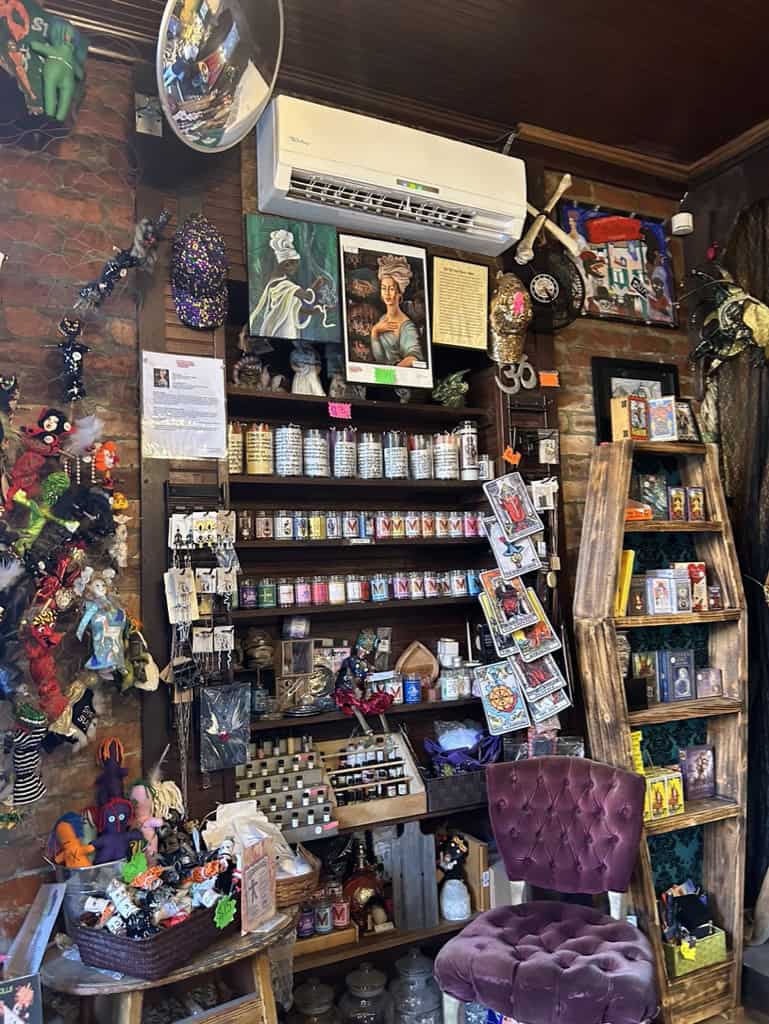
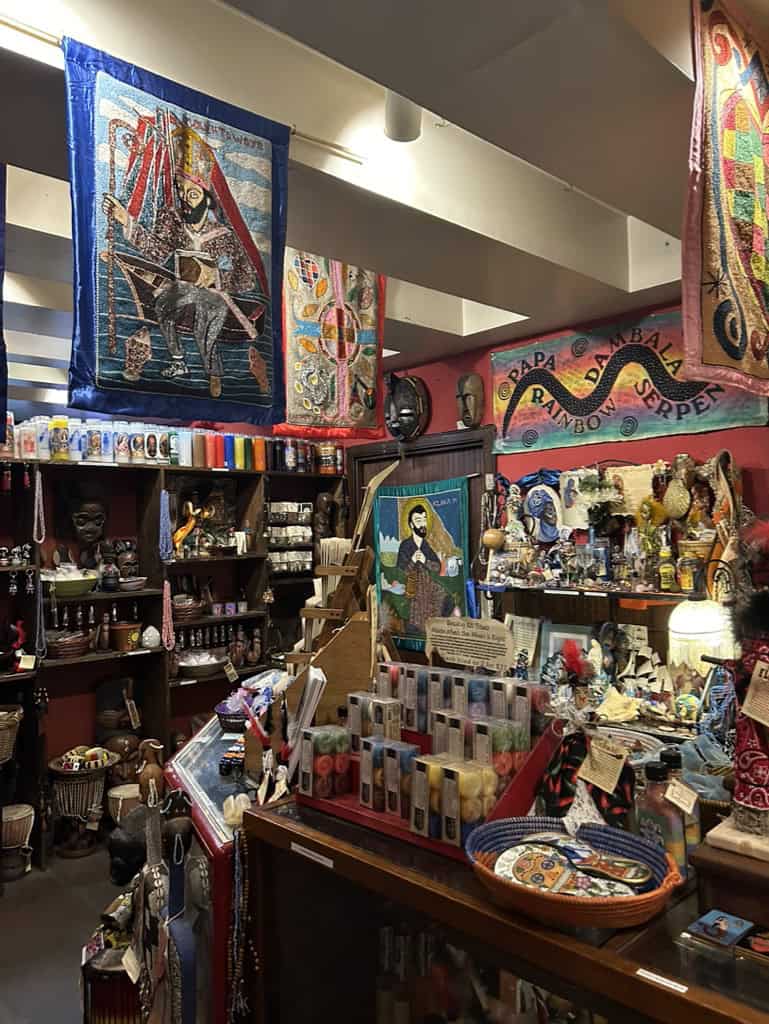
Thanks to its fascinating history and blend of cultures, New Orleans is one of the best places to visit if you’re at all interested in witchiness, magic, Voodoo, haunted locations, the occult — you get the point.
There are a number of shops to check out (Voodoo Authentica, Hex, Sassy Magick, and Crescent City Conjure are a few that I visited).
Plus there’s the New Orleans Voodoo Museum, which while small, is a great look into the history of voodoo and its significance in New Orleans. Media has created a certain picture of voodoo, and this museum dispels a lot of those rumors — and I walked away with a new appreciation for a religion that’s so misunderstood.
🕰️ Museum hours are daily from 10 am – 6 pm.
🎟️ Admission is $10 or $8 with a student ID.
4. A ghost, voodoo, and vampire tour (Witches Brew)

On the subject of witchiness and fascinating history, going on a walking tour is one of the best ways to learn more about New Orleans’ spooky side. I went with a tour through Witches Brew, and I had such a fun time.
I shared all the details in this Witches Brew tour review.
🔮 There are adult-only options (what I went on, $40) and family-friendly ones ($37.99). Just note that the tour isn’t recommended for kids under the age of 12.
5. A guided tour of St. Louis Cemetery No. 1
If there’s one major thing I missed during my time in the French Quarter, it’s this. As you’re exploring New Orleans, you’ll probably notice the above-ground cemeteries, which is due to the city’s low sea level. Many of the tombs and mausoleums are very ornate.
Although there are a number of cemeteries across the city, St. Louis Cemetery No. 1 has the title as the city’s oldest surviving cemetery, and is a No. 1 attraction in the city due to its unique architecture and extensive history.
Established in 1789, it’s where you’ll find the tombs of some of the city’s most iconic figures, like voodoo queen Marie Laveau, as well as Homer Plessy, a 19th-century civil rights activist, whose name you may recognize from the Supreme court Plessy v. Ferguson case, which culminated in a century of legalized segregation.
You can only visit with a tour guide.
🌟 This cemetery walking tour has a 4.6 Viator rating with nearly 5,000 reviews.
6. Listen to music at Preservation Hall
New Orleans is a music city — and while one of my favorite areas for music is Frenchmen Street (more on that soon) you’ll also find plenty of great spots in the French Quarter as well, particularly places like Preservation Hall.
I didn’t know about it during my visit (again, I failed on the research-ahead-of-time front), but Preservation Hall is known for its nightly live jazz performances.
Officially established in 1961, it’s now one of the city’s most beloved live music venues.
You have to reserve your tickets ahead of time, which you can do here.
🍹 My Quick New Orleans Planning Tips 🎷
👻 Don’t skip a Ghost, Voodoo and Vampire walking tour!
🥂 Stay at the top-rated French Market Inn for the perfect location, a pool, and a courtyard
📱 My favorite eSIM if you’re from outside the U.S. (Use code TESS10 for 10% off!)
🧳 At the top of my packing list: Sunglasses, comfortable walking shoes, and a crossbody bag
The Marigny and Bywater
From the French Quarter, it’s just a 15-minute walk or so before you reach the Marigny, a charming neighborhood known for its strong music culture, colorful buildings, and lively vibe. The Bywater neighborhood is about a mile farther, sitting along the Mississippi River. It has a strong music culture and unique Creole cottages and shotgun houses,


7. Live music on Frenchmen Street
As you’ll quickly learn once you’re there, music is a huge part of local culture, and Frenchmen Street is one of the best places to experience it.
A couple of its blocks are filled with music venues, jazz clubs, and restaurants, meaning you can just pop in and out of different spots for different musical styles and vibes.

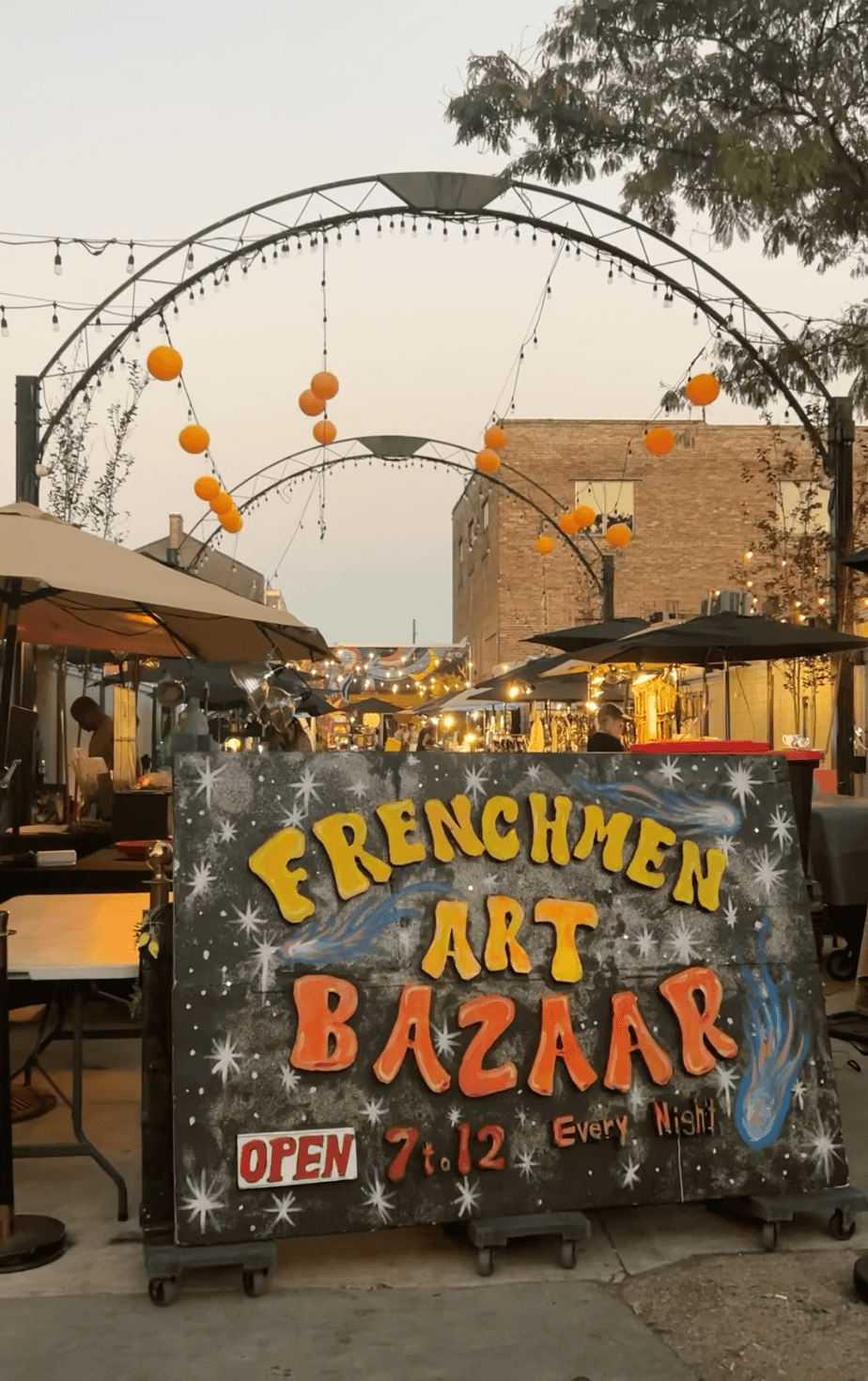
8. Frenchmen Art Bazaar
Every night at 7 p.m., the Frenchmen Art Bazaar sets up shop, in the same area as all the bars and restaurants. It’s not a huge market, but it still had such a cool selection of local art. I walked away with a couple of art prints and a T-shirt.
9. JAMNOLA



Inside this immersive art museum, you’ll find 30 different NOLA-inspired exhibits, created by over 100 local artists and collaborators. I visited its old location in the Bywater neighborhood, but it’s since relocated to Frenchmen Street and is now twice the size. I really liked how all the exhibits had some sort of tie-in to local culture, especially its music and traditions like Mardi Gras.
🕰️ JAMNOLA is open every day except for Wednesdays. It’s open from 10 a.m. to 6 p.m. on weekdays, and until 8 p.m. on Saturdays and Sundays.
🎟️ Tickets are $35.18 for adults ($30 for students, teachers, first responders, military; $20.69 for kids ages 3-12). Pre-booking is required.
10. Bywater street art and Crescent Park

The whole Bywater neighborhood had such a cute style that is so different from what you’ll see in the French Quarter — colorful, 19th-century Creole-style cottages and shotgun homes, and street art throughout. The neighborhood also has a bit of an industrial feel, with lots of warehouses. It’s worth spending some time walking around, and wandering over to Crescent Park, where you’ll see the water.
Tremé
11. Louis Armstrong Park
Just a few steps from the French Quarter but technically in the Tremé neighborhood, Louis Armstrong Park spans 32 acres and is dedicated to the legendary musician who was born in New Orleans in 1901. The park is home to a duck pond, a Louis Armstrong sculpture, a performing arts center, and Congo Square.
12. Congo Square
Inside Louis Armstrong Park is Congo Square, which served as a meeting point for enslaved people and free people of color during the colonial era. People here would gather, dance, and play drums and other instruments, which over time developed into jazz. The park is also considered a spiritual space for voodoo rituals.
13. Backstreet Cultural Museum
I so wish I had made it here — this museum showcases New Orleans’ Black traditions, specifically processional traditions, jazz funerals, social aid and pleasure clubs, and more.
🕰️ Hours are Tuesdays through Saturdays (closed Sundays and Mondays), 10 am to 4 pm
🎟️ Adult admission is $25, or $20 for students, and seniors, and $15 for children ages 12-16, and $10 for ages 6 to 12.
The Warehouse District and riverfront
The Warehouse District, also known as the arts district, dates back to the 1800s, and now, it’s one of New Orlean’s trendiest neighborhoods. It’s also known for housing a couple of the city’s most popular sites.
14. National World War II Museum
Since I was on a time crunch (and a budget) during my visit, I decided to prioritize other activities, but this museum is known as one of the best in the country, so it’s definitely at the top of my list for a return. It features multimedia and interactive exhibits, artifacts, oral histories, and much more.
Plan to spend at least three hours — but if you want to take your time, you could easily spend the entire day (and a second day).
🕰️ The museum is open daily, 9 a.m. to 5 p.m.
🎟️ General admission is $42, with additional fees for select experiences and tours. ($27 for students, kids in 12th grade or below, military/spouses, and free for children under 5 and WWII veterans). Second day admission is also available for $15, and can be used within a week. Book here.
15. Mardi Gras World

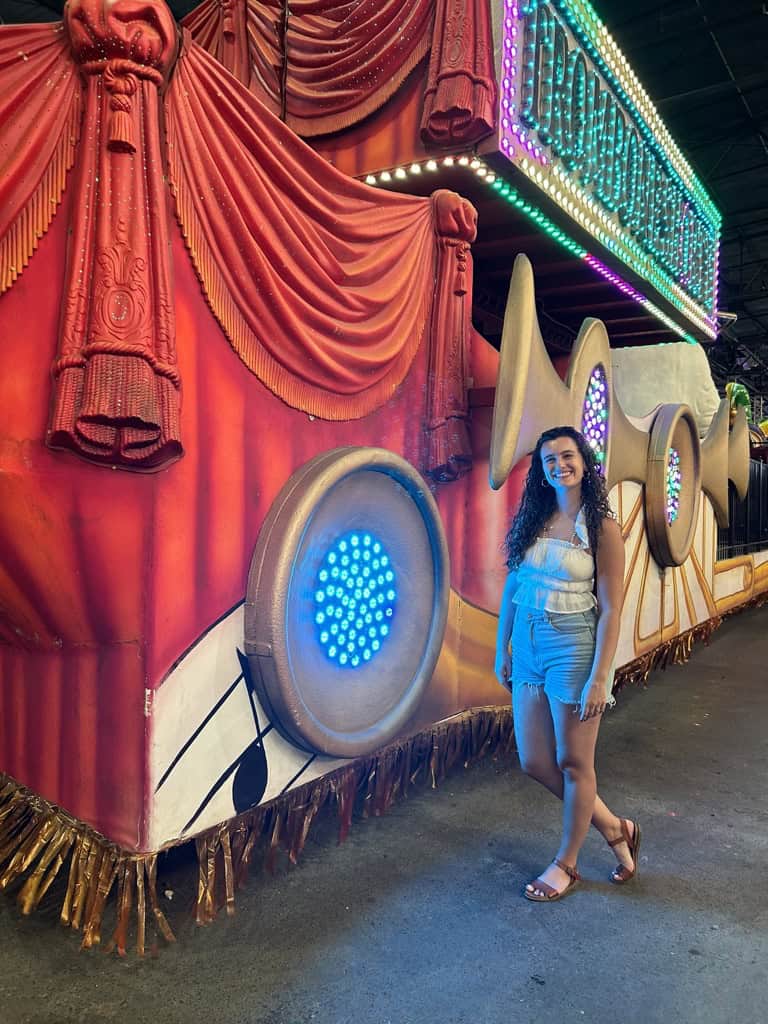
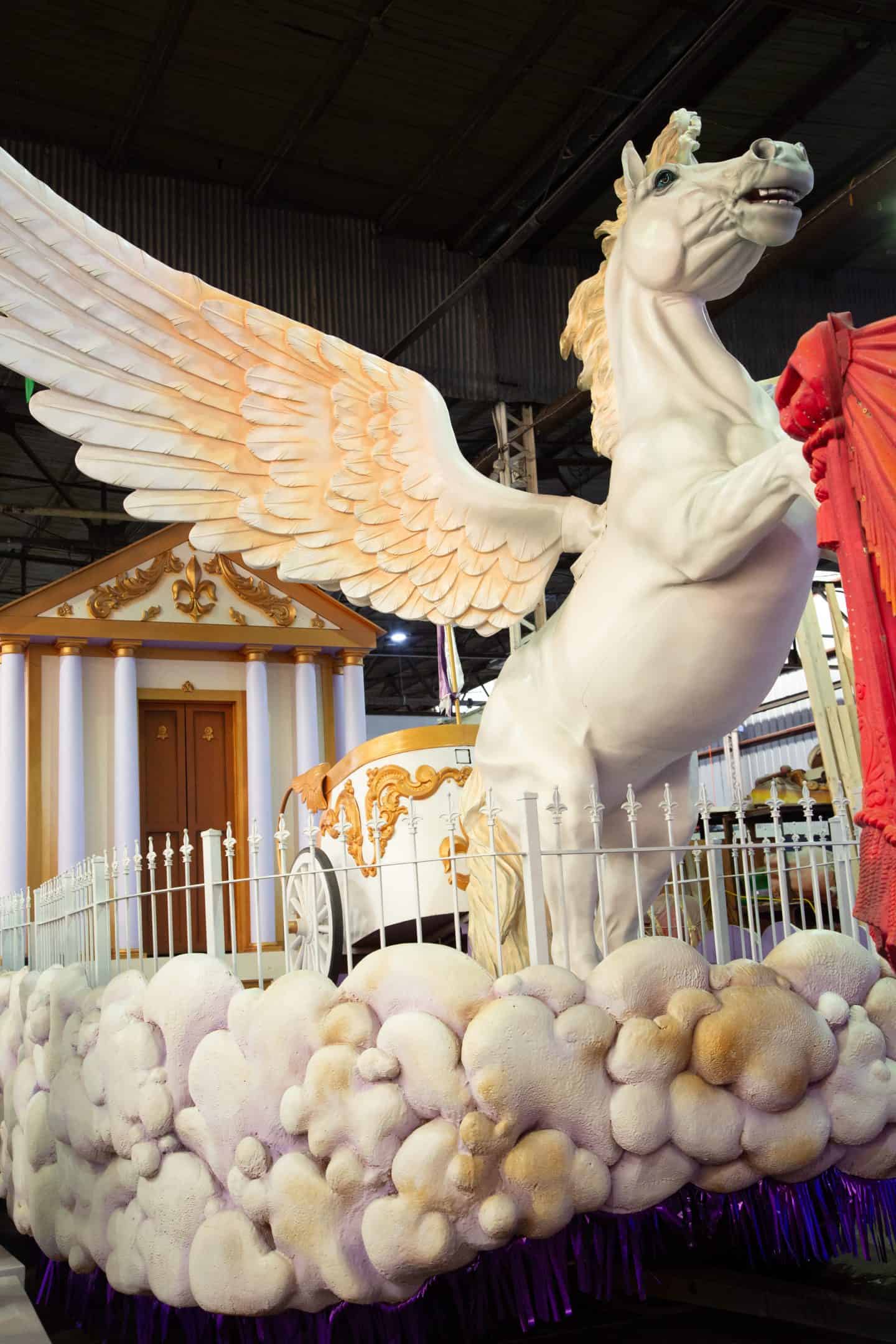
You don’t need to visit during February to learn about Mardi Gras and New Orleans. Seeing all the floats and sculptures, and learning about the process behind the world-famous festival was so cool. The sheer size alone was impressive, as was the creativity.
Your general admission ticket includes a brief intro video to the festival (with a slice of king cake, a cinnamon-role-like pastry with purple, green and gold colors), and then an hour-long tour.
I also appreciated that they offer a free tourist shuttle, which drops you off around Canal Street (in the French Quarter area) afterwards.
🕰️ Mardi Gras World is open seven days a week, with entrance from 9:30 am to 4:30 pm.
🎟️ Adult admission is $29.95 ($24.95 for students, seniors, military, and kids 12 and under) and can be booked here.
16. A Steamboat Natchez jazz cruise
This is another quintessential New Orleans activity that I missed — but looks like such a fun way to experience the city.
Your cruise includes a classic New Orleans lunch or brunch if it’s a Sunday, and sails along the Mississippi River for two hours. Meanwhile, you get to listen to live jazz, sip cocktails, and explore the ship and waterfront views.
🚢 Book ahead on Viator, where it’s rated a 4.3 with over 6,000 reviews.
The Garden District and Uptown
Around 2.5 miles from the French Quarter, this area is known for its stately, luxurious vibe. The neighborhood was first settled in the 1800s and was originally made up of several plantations. It then became part of Lafayette in 1833, before being annexed by New Orleans in 1852.
17. Ride the St. Charles streetcar

Streetcars in New Orleans have been operating since the 1830s — and today, it’s known as the oldest continuously operating streetcar in the world.
There are a few different routes, but the St. Charles Line #12 runs through the Garden District and Uptown neighborhoods.
🎟️ A one-day pass is just $3, while a single ride is $1.25. Learn more here.
18. Explore the Garden District

This historic neighborhood is lined with oak trees and 19th-century homes. It has a much calmer atmosphere than buzzier areas like the French Quarter, but it’s well worth visiting, especially for its vintage and antique shops and dining.
19. Shop and snack along Magazine Street

Magazine Street, which was established in the late 1700s stretches for 6 miles, and runs through several different New Orleans neighborhoods. I spent time in its Garden District section, and found it to be a good mix of peaceful, and interesting.
Some shopping stops I enjoyed were Magazine Antique Mall and Fleurty Girl, where you’ll find eclectic clothing and accessories.
You’ll also find plenty of dining options around here. My friend and I ate at Ruby Slipper Uptown, a local chain which serves brunch.
Mid-City
Nearly 3 miles from the French Quarter, Mid-City is laid-back, has a more local vibe, and a little eclectic.
20. City Park
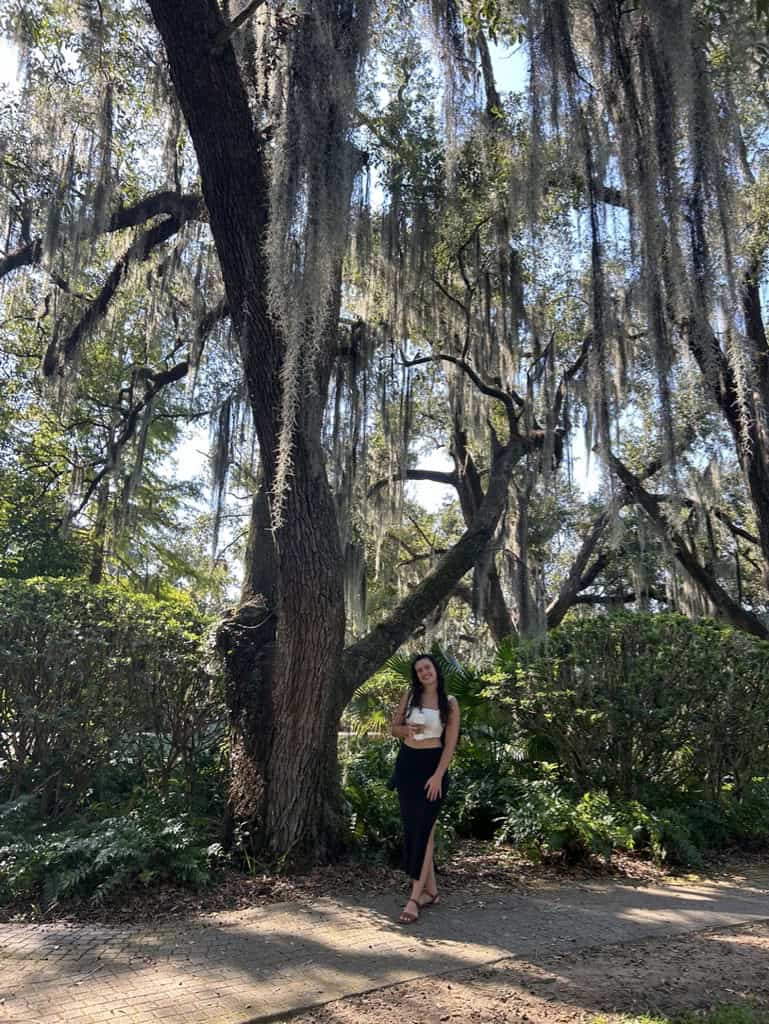
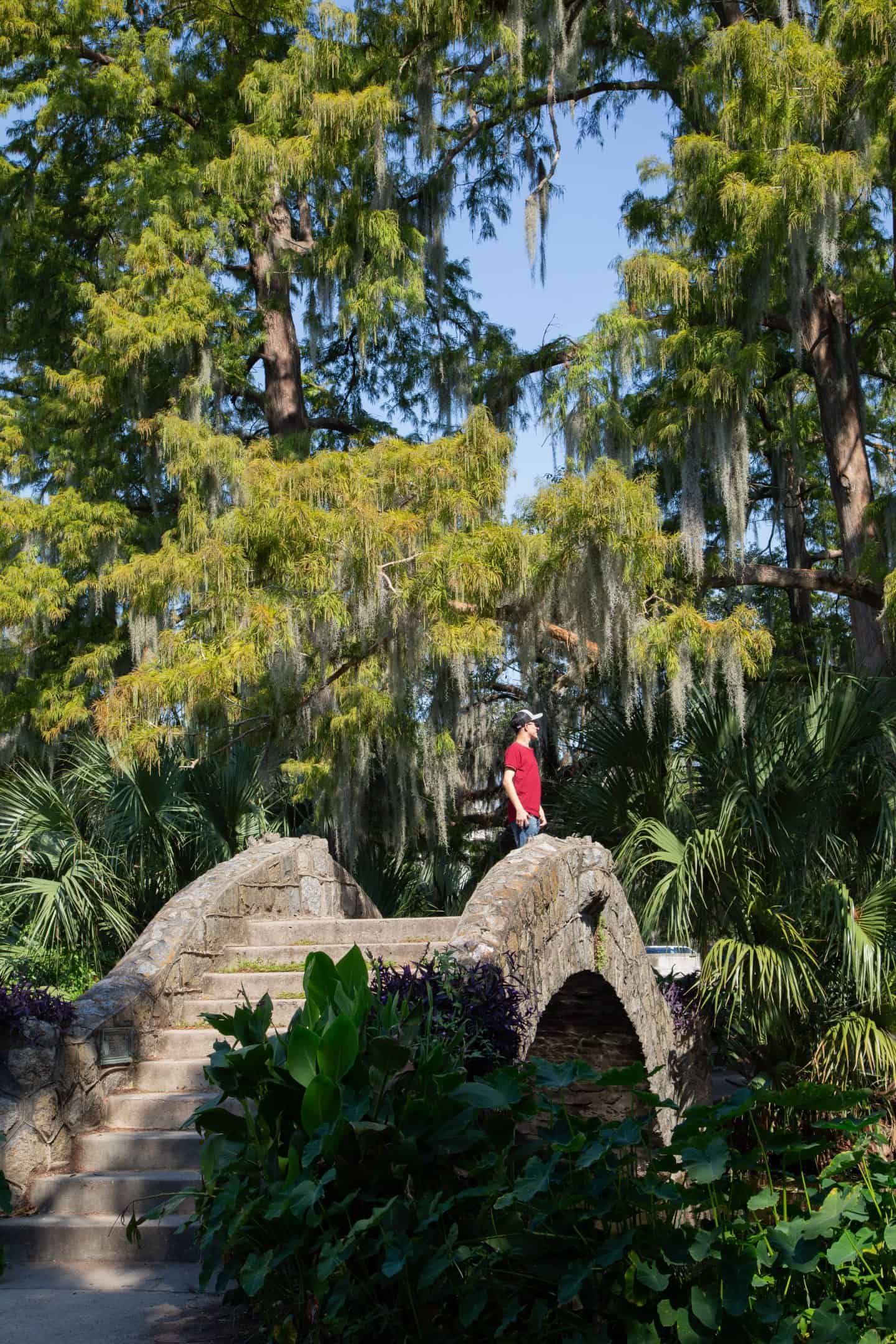
This massive urban park is one of the biggest in the country — while I squeezed it into my NOLA weekend and just spent an hour or two here, you could easily spend all day, with its numerous museums, gardens, dining options, and outdoor recreation choices like kayaking.
One of its highlights is the 10-acre botanical garden which dates back to the 1930s (while the overall park is free, the botanical garden is $27 for non-residents/$8 for kids 3-12).
You’ll also find a Café Du Monde location, where you can pick up a beignet and a coffee.
21. New Orleans Museum of Art
Within City Park, one of its primary cultural institutions is the art museum.
I love an art museum, but sadly just didn’t have time for this one. The museum is considered the city’s oldest fine art institution, dating back to 1911, and is known especially for its French and American art, photography, glass, and African and Japanese collection.
🕰️ Hours are Tuesday, Friday–Sunday: 10 am – 5 pm, Wednesday: noon – 7pm
🎟️ Admission is $15 for adults, $10 for seniors/military, $8 for students, and free for everyone under age 19
22. Sydney and Walda Besthoff Sculpture Garden

For my quick visit to City Park, I largely spent it wandering around here. It’s around 12 acres and contains around 90 different sculptures. While the sculptures were cool of course, I found it extra beautiful thanks to the Spanish moss, oak trees and lagoons.
🕰️ Hours are 10 am – 6 pm from April through October, and 10 am – 5 pm from October through March.
🎟️ Admission is free.
Outside of the city
23. Swamp tour
While I stuck to the city’s borders during my visit, I’d be remiss if I didn’t tell you about one of the top things to do in New Orleans — a swamp tour. New Orleans has such a unique ecosystem and culture, with its cypress bayous, wildlife like alligators and wild hogs, and Cajun traditions, and a swamp tour really brings that all together.
🐊 This 2-hour swamp tour includes transportation from New Orleans, and has an impressive 4.9 rating with over 7,000 reviews.

Where to stay in New Orleans
For a first trip, I’d definitely suggest staying within the French Quarter or very close by — I stayed in the Business District (which is around Canal Street), and it was super walkable, with lots of food options nearby, etc.
If you’re looking to stay somewhere a little quieter and but still walkable and beautiful, the Warehouse District and Garden District are popular choices.
French Market Inn
I have my eye on this beautiful hotel for my next trip to New Orleans. Its rating is practically unheard of — 9.6 rating on Expedia with over 3,000 reviews, and its perfect location right in the French Quarter seals the deal for me. Past guests also repeatedly point out the location, along with the unique and comfortable rooms, the friendly staff, and the hotel’s courtyard. The French Market Inn also has an outdoor pool and a 24-hour front desk.
💜 Check rates and availability here.
Browse some more hotels across New Orleans:
New Orleans Travel Tips
How to get to New Orleans
Okay, I obviously knew about this one before arriving. But if you’re flying, the local airport is Louis Armstrong International Airport.
I have to say, I was super impressed with this airport.
From actually helpful TSA employees (I did a major rookie move and forgot to empty out my water bottle when leaving New Orleans, and the TSA worker literally went to pour out the water for me and return the water bottle to me — maybe I’m just jaded from flying out of LAX all the time, but I was shocked), to seeming clean, and also having a reputation for actually decent food options — other airports (*cough* LAX, *cough*) could learn a thing or two from them.
✈️ If you need help finding the best flights, I use Skyscanner and Google Flights!


What’s the weather in New Orleans?
The coldest months are December through February, and by cold, I mean that temperatures are typically in the 50s Fahrenheit.
March and November will generally see temperatures in the 60s, April and October will be in the 70s, while May through September have average temperatures in the 80s.
As for rain, the rainiest months are June through September. The rainiest month is July, while the driest is October, which I would say is the best month to visit New Orleans overall.
I visited the second weekend in October, and there was no rain, and temperatures were hot without being uncomfortably hot.
If you’re interested in visiting during Mardi Gras, it falls either in February or early March. Just make sure to book things as early as you can, because I’m sure that hotels and whatnot fill up quickly this time of year.

What to pack for New Orleans
Check out this New Orleans packing guide for all my recommendations, but essentially, pack layers (even if it’s hot outside, air conditioning was intense), and plan for heat and humidity most of the year, but pack jeans and a heavier jacket if visiting in the winter.
Other basics include a travel umbrella and comfortable walking shoes — you should expect to walk a lot while here. It’s also an all-around casual city, so I wouldn’t bring heels or super dressy clothing unless you’re going to a certain event that calls for that.
Also bring cash — I almost never use cash in my daily life, but there were a surprising number of places (including the iconic Café du Monde, one of the city’s most popular places for beignets) that were cash-only. In some cases, I needed cash to tip, like during the walking tour.

Is New Orleans safe?
It’s a city, so of course, you’ll want to take precautions like being aware of your surroundings.
Of course, everyone has different experiences and comfort levels.
But in general, I felt very safe here, as someone who lives in a city and has traveled before. I was a little worried about using my camera, but I had no issues, I just didn’t take it out of my bag at night.
As I’ll talk about later, I didn’t feel particularly comfortable walking through Bourbon Street, so I opted to not hang out there.
That brings me to a top safety rule: Follow your intuition. And if some place feels off, leave!
How to get around New Orleans
New Orleans has many walkable neighborhoods, but some of them are quite spread out from one another.
I would definitely suggest organizing your New Orleans itinerary by neighborhood — so one day in the French Quarter, one morning in the Bywater neighborhood, an afternoon in the Garden District, for example.
This way, you can just plan to walk around each neighborhood. My friend and I walked a ton, and just Ubered when the distance was literally too far.
Unless you’re planning to explore a lot of places outside of New Orleans as well, I’d really recommend not renting a car.
Streets are super narrow, some streets are just situated in a weird way where it’s not clear where the lanes or where to turn are, there are (drunk) tourists walking all over the place — I’m stressed out just thinking about it.
It also just isn’t efficient — there were a number of times when my friend or I would check our maps app and see that the driving time was literally the same (sometimes even longer) than the walk time, just because it takes so long to get around, particularly in places like the French Quarter.
There’s also a streetcar that you can take within certain areas, like St. Charles, Canal Street, and Riverfront. I didn’t do this, so can’t attest to it, but it’s extremely super affordable, and of course, extremely charming.
Should you visit Bourbon Street?
You may have noticed that I didn’t mention the iconic Bourbon Street as one of the best things to do in New Orleans.
If you’re unfamiliar, Bourbon Street is one of the most famous areas of New Orleans for its historic bars and nightlife. But to be honest …. I think it’s overrated. I basically just walked through a couple of times to check it out, but didn’t hang out here at all.
There are so many great areas of New Orleans, and I honestly just felt like this area was sketchy and just full of drunk tourists. The vibe literally shifted as you crossed onto the busy nightlife area, and it felt really overwhelming and weird. Maybe if I was younger, when I enjoyed a more intense party scene, I’d feel differently. But at this point in life, I was not into it. But to each their own!

Wonderful summary that I wish was printed for my first visit. I would like to add a walkabout in Louis Armstrong Park/Congo Square. We took a trolley from our pickup point near the park to the fabulous WWII Museum. The trolley was packed as in standing room only on the way back, but that may have been due to the the time of day. Another wonderful tour was of the Sazerac Distillery. Love NOLA!
I’ve heard amazing things about the WWII Museum and the distillery! Louis Armstrong Park/Congo Square looks beautiful too. I wish I’d had the time on my last visit, but these are all definitely on my list for next time! Thanks so much for reading and for your comment 🙂